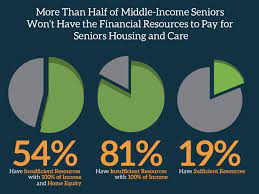
You know homeowners plan to ‘age in place’ – repeated across all surveys. It makes sense to them – they like their homes, locations, their familiar neighborhoods, shops, their friends, and neighbors. Statistics underpin the goal for 93% of adults 55+. And they are willing to spend on services to enable them to remain there – home security, food and supplies delivery, and transportation services if they choose to or must go places without driving. They have fueled growth in the home remodeling businesses, spending on bathroom modifications and other aging-related enablers, especially home care – which may be an out-of-reach luxury for many.
The 2024 Technology and Aging Market Overview is online. It provides new information and insights about trends that drive technology change for the older adult marketplace. They represent the context for understanding new technologies discussed and featured in the report. This year is in many ways unusual -- the oldest baby boomer turns 78, AI investment and interest reached fever pitch, and the annual CES show had its highest turnout, with AI everywhere since 2020. These trends include the possible future role of AI, that can help address workforce issues and provide benefit over the coming months and years:
The 2024 Market Overview of Technology for Aging will be published during CES 2024. As part of that update, it is worth considering changes that occurred in the past year that matter to older adults and families. Caregiving and other demands of an aging population gained significant government attention and new initiatives during 2023. While some of the actions below will require further funding action from Congress, all of these represent forward momentum for long-needed changes. It is likely that technology enablement and access will be components of each of the initiatives as they evolve. Categories include:
AgeTech is a niche market no more. As we approach 2024 and the plethora of tech introductions from CES 2024, let's reflect. This past year underscored the demographic changes that have brought an aging population -- turning 65 at a rate of 10,000 per day -- into the sight lines of investors, startups and health providers. The very recent monumental investment that swept AI and media visibility underscored how AI could help older adults. And the shortage of labor in the care industries put a spotlight on the gaps in care that AI tech can help close. No doubt 2024 will reveal more investment and innovation in tech for older adults. All material is drawn from the websites of the companies.

 You know homeowners plan to ‘age in place’ – repeated across all surveys. It makes sense to them – they like their homes, locations, their familiar neighborhoods, shops, their friends, and neighbors.
  T
T