Older adults will adapt to change and adopt new technology. When an 88-year-old neighbor is filming fireworks with his smartphone, it is easy to see that times have changed. If an affordable technology can be found that meets a personal need (or answers a compelling question with AI), people will find it and get it to work. Remember encyclopedias – we now cannot imagine any process that would again make them useful. Could training be more readily found? Will all devices default to ‘Accessibility’ and security options that you must undo?
Touch screens are an unending aggravation. Study the iPhone commands, for example. Push up to get the display, pull down to select ‘Do not disturb’, but not too hard, because many other options appear. Push sideways, to change screens, move an icon around the screen, and, well, you know what happens then. Of course, knowing these choices is based on experience (and experimentation over time), not based on any training. So what if you encounter the device for the first time? Your hands shake just a bit, and you remember how much you liked having a keyboard…You wonder, are there ways to train new (and older) users on how to use touch screens – and for that matter, the essentials of the device? And will Siri’s voice commands overcome the touch screen’s limitations? Yes, actually.
WASHINGTON–AARP, the nation's largest nonprofit, nonpartisan organization dedicated to empowering Americans 50 and older to choose how they live as they age, announced today that Dr. Myechia Minter-Jordan will serve as its next CEO.
A new study offers a conundrum, or maybe a marketing problem. Most Americans 50 and older don’t trust AI-generated health information, says a new poll published by the University of Michigan. But they do trust their own ability to figure out what information is good and what isn’t when they look for it. They say they trust WebMD, Healthline. And yet only 32% said it was easy to find accurate health advice. But how would you know what is accurate? And the 84% who said they got health information from a health care provider, pharmacist, friend or family member in the past year. A friend or family member? Really?

 Five years ago -- this site looked at the state of dementia-related technologies. The more things (the tech offerings) change, the more their purpose and function remain the same. Today there are websites that list gadgetry for managing and living with dementia. There are
  Older adults will adapt to change and adopt new technology. When an 88-year-old neighbor is filming fireworks with his smartphone, it is easy to see that times have changed. If an affordable technology can be found that meets a personal need (or
  Touch screens are an unending aggravation. Study the
 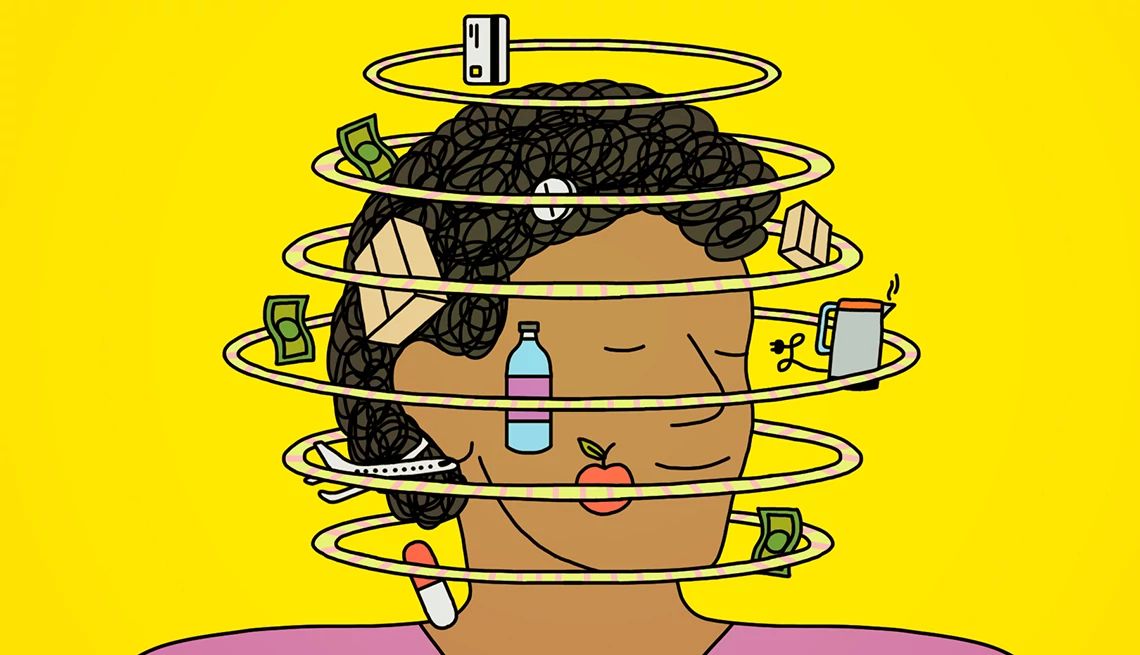 A new study offers a conundrum, or maybe a marketing problem. Most Americans 50 and older don’t trust AI-generated health information, says a