Age-Tech is in. Perhaps you have seen the Age-Tech term pop up since early 2020, led in the US by by AARP’s CEO Jo Ann Jenkins. Now it is all around – it characterizes AARP’s recently convened AgeTech Collaborative to ‘accelerate and scale new solutions for the 50+ market.’ AgeTech has its own Market Map as developed by Keren Etkin, Gerontechnologist. And more recently, a young San Francisco investor, Scott Rupp, offered up the Age-Tech economic outlook from Dominic Endicott of 4Gen investment in the UK, an ‘Age-Tech expert,’ describing what the Age-Tech market is today.
Wearables are new (now) to most older adults in 2021. But that will change in the coming years as broad market acceptance drives interest among the 65+ population. Adoption will grow as the price points become more affordable; and most important, as the data from wearables becomes more actionable, informative, and predictive of future change. Within five years, doctors will see the benefit in guiding older adults to their usage. Chronic disease monitoring through wearables will see the most substantial growth. And stigma-free and lower cost hearables will provide customizable sound improvements to a far broader population than current hearing aids. Check out the new report: The Future of Wearables and Older Adults 2021. And the other blog posts from May 2021 that drove the report content forward:
Wearables are nothing new – except in how they are used. The Quantified Self movement, coined as a term in Wired in 2007, simply described the growing interest in tracking those personal characteristics that could be recorded and analyzed by the user of wearable technology. From activity trackers that gained popularity in the past decade, to introduction of smart watches by Apple in 2015, the adoption of wearables by older adults has continued to grow. New products fuel interest about their potential for older adult health-related benefit, such as the Oura Ring, the Apple Watch Series 6 and the Samsung Galaxy Watch 3 Active, or the Bose SoundControl hearing aid.
The 2021 release of the Market Overview of Technology for Aging sharpens the focus on older adults and their technology needs in this post-pandemic year. It took the aging of the 73 million baby boomers, a pandemic emergency, and investor interest to transform a 2009 market niche into this 2021 $30 billion market category. In 2021, the market will focus less on products specifically designed for older adults and far more about marketing existing offerings as useful to them.
November revealed a growing sense of urgency about older adults. What has been the impact on them of the daily onslaught of Covid-19 statistics? What about nine months of ceaseless updates about case counts? Has this produced a permanent fear of contact with others, including families, especially on holidays? Public-private partnerships are forming to bring devices and products to older adults, now isolated for as much as 9 months. Will that help? Tech firms are trying to boost access to the internet and devices – will this become 2021 action priority for non-profits and government? And much more will be different for an older population – the real seniors, aged 75+, perhaps previously unnoticed by media. In fact, older adults have often been ignored by marketers even as boomers have all the money. Here are four blog posts from November:

 Age-Tech is in. Perhaps you have seen the Age-Tech term pop up since early 2020, led in the US by by
 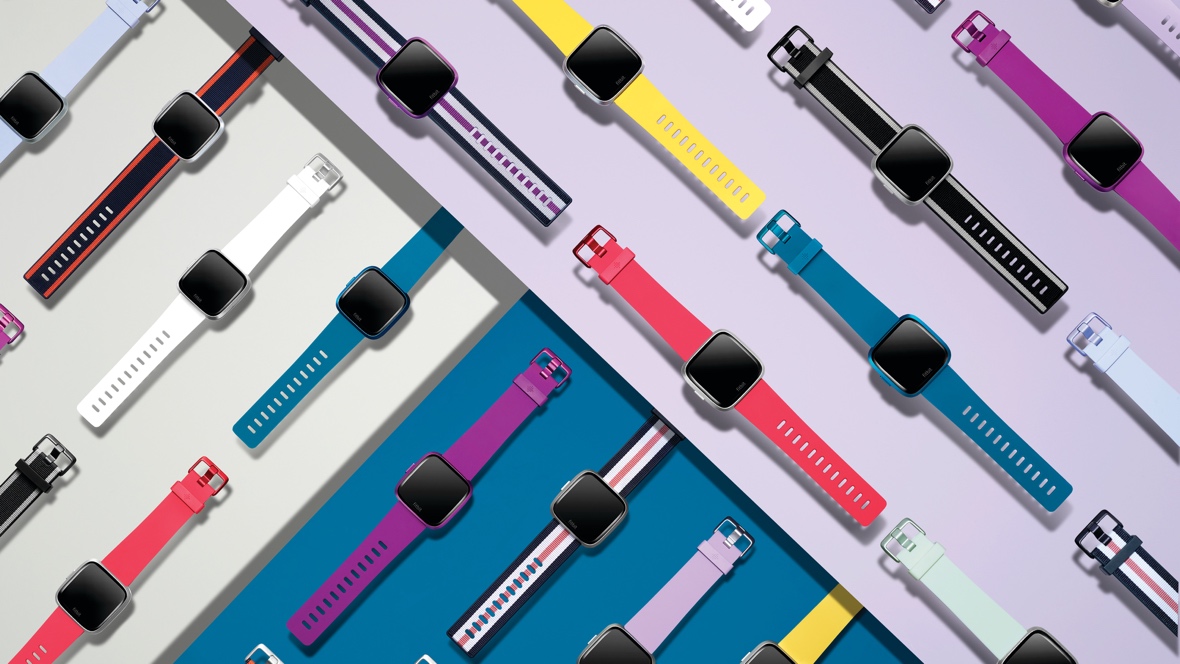 Wearables are new (now) to most older adults in 2021. But that will change in the coming years as broad market acceptance drives interest among the 65+ population. Adoption will grow as the price points become more affordable; and most important, as the data from wearables becomes more actionable, informative, and predictive of future change. Within five years, doctors will see the benefit in guiding older adults to their usage. Chronic disease monitoring through wearables will see the most substantial growth. And stigma-free and lower cost hearables will provide customizable sound improvements to a far broader population than current hearing aids. Check out the new report:
 November revealed a growing sense of urgency about older adults. What has been the impact on them of the daily onslaught of Covid-19 statistics? What about nine months of ceaseless updates about case counts? Has this produced a permanent fear of contact with others, including families,