
The reality feels more like a high-tech band-aid on a profoundly human problem.
10/22/2026
New AI-powered apps and gadgets are built for older adults at home.
09/30/2026
Adults aged 50+, however, did not share this assertion.
09/22/2026
Policy recommendations for addressing weaknesses in AI and how government is deferring to companies.
09/10/2026
CDC says average 65 year old retiree will reach 85, challenging retirement planning assumptions.
 For wearables to be useful to older adults, some barriers need to be overcome. As has been the case with other technology innovations that can provide great benefit to seniors, the value of wearables may be great for older adults -- especially when personalized to the characteristics and needs of an individual. However, the implementation and/or data integration may be lacking. And there may be significant concerns about being tracked or where the data resides. Reviewing the impediments to this useful category actually being adopted -- these may include:
 Not your mother’s pendant or your father’s blood pressure cuff. Today’s wearables, adopted by only a small percentage of older adults, have possibilities for helping many. Research interviews for
  April 2021 – the season for tech surveys.
  First the ‘good news’ about tech adoption…
 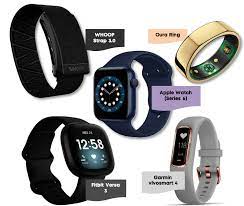 devices make up an $81.5 billion global market in 2021. According to Gartner’s
  Pew Research just published its periodic survey about Internet use. Let’s assume consensus that growing the percentage of those using the Internet was a social good. Let’s assume that many are now concerned that older adults may have missed vaccine sign-up opportunities without access to the Internet. Pew’s survey
  Do consumers trust technology? Not so much -- just ask them. This question was asked on a recent
  March was an unusually innovative age tech month – now let’s get organized.