
The reality feels more like a high-tech band-aid on a profoundly human problem.
10/22/2026
New AI-powered apps and gadgets are built for older adults at home.
09/30/2026
Adults aged 50+, however, did not share this assertion.
09/22/2026
Policy recommendations for addressing weaknesses in AI and how government is deferring to companies.
09/10/2026
Why senior living's first attempt at using robots was a flop.
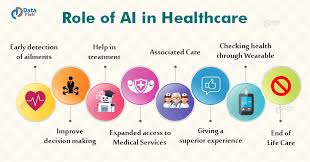 Exceeding expectations in every way. The next report was going to be titled – “The Future of AI in Senior Living” but that was so yesterday. One 2023 document,
  You were not alone at finding the first page of Google search results annoying. As has been expected, the
 Asking ChatGPT a question on an iPhone returns a detailed answer. Of course, it’s slightly different when asked again. The question: “What devices are useful for monitoring older adults in their home?” The categories (and sub-categories) were not surprising – you can give it a try yourself. They included medical alerts, smart home devices, cameras and video monitoring, remote health monitoring fall detection sensors, GPS tracking devices, medication management, environmental monitoring. On the iPhone, adding companion robots – and an observation: “These devices, especially when used together, can create a safer and more supportive environment for older adults living independently.”
 by boomers – the demographic looms large – and their future is likely underserved. You see it everywhere,