This Aging in Place Tech blog was launched officially in 2009. We asked ChatGPT to give the December, 2009 blogs a review and compare them to October, 2025 blogs to see what changed in terms of topics and tone. In 2009, it detected an emerging market and observations about immature and simplistic products and gadgetry. Remember GE’s acquisition of QuietCare? It detected frustration with fragmented markets, poor adoption and naïve assumptions in the market about older adults. ChatGPT also noticed observations about poor usability and lack of integration among products, vendor hype (touch screens had just emerged), as well as the need for market education. The belief in 2009 was that older adults could and would adopt technology if it is useful and respectful.
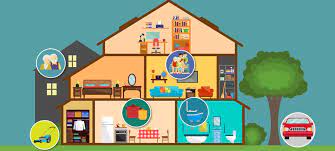
Today's baby boomer is open to monitoring his or her own health. The population aged 62-80 are increasingly likely to own smartphones, smart watches, Wi-Fi in the home and other tech, such as hearables and chronic disease tracking tools. They may have hearing or vision limitations that could be assisted with new technology. They may have family members who are also interested in their wellbeing. A large number them may be solo agers, divorced, widowed and living alone or a long distance from family. The majority will remain in their own homes for as long as is feasible.
Recent research highlights AI opportunities for care-related organizations. The recent report AI and Older Adults – What’s Now and Next in 2026 highlights problems and potential for the uses of artificial intelligence in organizations that serve older adults. While caution is warranted and barriers are visible, senior living and home care firms will likely move forward in the near term on AI initiatives. Why? Because worker shortages, stretched staff and ultimately customer demand will mandate change. This includes AI agents to help improve efficiency, screen applicants more effectively, and free up more time to better serve clients. From the report, here are possibilities for both home care and senior living organizations.
PORT ST. LUCIE, FL, UNITED STATES, January 26, 2026 /EINPresswire.com/ -- AI technology is on the radar of the labor-challenged care industries. The home care industry is facing a labor crisis. The care worker shortage (including doctors, nurses and nursing assistants) is severe and well-documented. Driven by demographic shifts, longer life expectancy, and rising rates of chronic illness and cognitive decline, the demand for in-home personal care and home health care is surging.
The hype still outpaces adoption. According to the Wall Street Journal in August, companies are slowing their rate of AI adoption amidst some stumbles among innovators. As in the 2023 report, there is still trepidation, and the Pew Research April 2025 study shows that experts are more optimistic than the general public about AI’s potential. Are older adults lagging today’s pace of adoption of AI?
Shortages of workers will help propel adoption of AI in the care-related industries. AI will be used to streamline workflow and optimize existing staff or eliminate dependence on roles that are no longer needed. As part of hybrid care, it will supplement in-person work, with AI agents assigned to specific tasks. Trustworthy AI will be part of the everyday experiences of older adults, care workers, and businesses that serve them.
We all just want more effective help online. We want information, we need suggestions, even helping us with tasks by doing the work for us. Oh, and we would even like the advice to be timely and accurate! Over the past few years, as people were exploring ChatGPT as an alternative to traditional search, other alternatives emerged. Actually multiple AI assistant alternatives emerged, forcing downward pressure on Google’s ad-based model, which makes up half of its revenue. Businesses expecting to be found through Google search are seeing a decline in traffic. And that is likely related to lawsuits pertaining to its AI overviews, which eliminate the need to go further into links.

 This
This  A search for 2026 and AI concerns is, uh, concerning. It’s a
  Today's baby boomer is open to monitoring his or her own health. The population aged 62-80 are increasingly likely to own smartphones, smart watches, Wi-Fi in the home and other tech, such as hearables and chronic disease tracking tools. They may have hearing or vision limitations that could be assisted with new technology. They may have family members who are also interested in their wellbeing. A large number them may be solo agers, divorced, widowed and living alone or a long distance from family. The majority will remain in their own homes for as long as is feasible.
 Recent research highlights AI opportunities for care-related organizations. The recent report
  The hype still outpaces adoption.
  The B
The B We all just want more effective help online. We want information, we need suggestions, even helping us with tasks by doing the work for us. Oh, and we would even like the advice to be timely and accurate! Over the past few years, as people were exploring