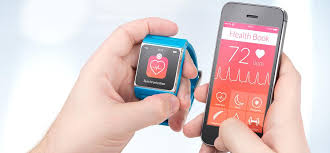
 Some baby boomers check their personal data on smart watches or their phones regularly. They track their activities, tolerate the reminders to stand, wishing to do better than they did last week or last month. Maybe they stand on an ever-smarter weight scale – or go off to the gym to work out in groups or alone. Why? Maybe they are women (unaddressed at CES 2026) who worry about bone loss, have a justifiable fear of falling, or have already fallen. Why don’t more than 26.9 % of women do strength training, to build muscle around bone to protect themselves in the event of a fall?
Do devices matter? As you look at the older baby boomers – many go to the gym. Adults 65 and older now visit gyms and studios more often than any other age group. That includes the socialization of classes like Yoga, Zumba and water aerobics. These are likely the same older adults who are purchasing wearable devices with features that are useful for maintaining safety and fitness (and texting, checking messages). And that includes the Apple Watch, which also has features useful to older adults, including fall detection.
Personal health software – promoted by providers. Market projections for medical wearables are growing, including the growth of condition-specific wearables, specialized devices for cardiac health, hearing loss or diabetes monitoring. And 55% of consumers prefer using mobile apps for managing healthcare appointments, prescriptions, and medical records – and as an intended side effect, these offload demands placed on healthcare staff. In addition, some medical practices recommend health apps for making food choices or finding effective workouts.
Personal wellness apps – an endless supply of recommendations. There’s the Forbes list, the Good Housekeeping list, the PC Mag list, the best for personal trainers. The market sizings are north of $11 billion in 2024, dominated by weight loss and exercise (Grandview). And per AARP, 71% of the 50+ population are open to using health and wellness apps, with usage today focused on fitness and physical activity. According to the AARP report, they are not yet using apps to manage chronic conditions.
What will it take to encourage greater use of personal health tech among baby boomers? Must medical providers push? Are they even engaged in pushing, giving the worsening shortage of primary care doctors in the face of growing rates of chronic disease. Perhaps the federal government will push -- CMS has expressed interest in boosting the use of health tech by consumers. And HHS has issued a Request for Information on the market of digital health products for Medicare beneficiaries. Will the growing interest by health organizations in AI-enabled solutions make a difference in the use of tech for personal health management? Is it time?
[Comments welcome, send to laurie@ageinplacetech.com]


Comments
Beginning new report: AI and Personal Care Tech -- Now and Next
Thoughts welcome -- categories to include: