CES 2025 is wrapping up soon -- here's another look. As always, it is an opportunity to contemplate the state of tech innovation, wading figuratively past announcements of cars and TVs. Browsing through the many articles and news websites, looking for what could benefit older adults in the context of making lives easier, more sociable, more functional and empowered, these five are attention-worthy. All material is from their announcements and/or websites. As with previous CES 2025 blog posts, it is important to note that offerings may be concepts, not yet products, and that some may not enter the commercial or US market at all. The important aspect is that the underlying technologies are a step (or more) forward in possibilities to help older adults. Here's hoping that next year has even more to consider.
Sensor-based remote monitoring of older adults – a good idea in 2009. That year, GE acquired the sensor-based monitoring technology, QuietCare from Living Independently Group (LIG). Sensors could be placed around the home and alerts transmitted about the older adult – across multiple rooms, motion, and lack of motion could all be detected without a wearable. At that time, the ‘home health monitoring’ market was projected to grow to $7.7 billion by 2012. That did not happen, but fast forward to 2023 – market sizing indicates a sizable ‘remote health monitoring’ space. In the 15 years since the QuietCare acquisition, much has happened – although many players left the space when it was unclear how to make money in it.
CES 2023 is, as the sponsors say, a wrap. Smaller by half (100,000) than in olden times, there were plenty of new tech offerings there. AARP sponsored an entire large area for its AgeTech Summit – talks and displays of new tech for an older adult market, cataloguing participants in an online directory. CTA Foundation (as part of CES and Eureka Park) sponsored its Accessibility Contest which featured tech for people with vision, hearing, or physical limitations. In other wrap-up non-surprises, entrepreneurs are shifting to the enterprise for funding, or that the digital health user experience is key to senior uptake. Meanwhile, AARP’s new trends report indicates that smartphone adoption has jumped, potentially over 80% for those aged 70+, no surprise given the 3G sunsetting and the need to replace old cellphones. Here are 10 new offerings of interest, all information from the company’s website or news articles:
SEOUL, South Korea, Jan. 7, 2023 /PRNewswire/ -- Petnow Inc. announced that it is presenting the world's first cat biometric recognition service added to the Petnow app at CES 2023. The AI-driven app that automatically scans unique identifiers of dogs called "nose prints" has been honored with the Best of Innovation at CES 2022, and the company has attracted worldwide recognition and has been featured on BBC and CBS.

 CES 2025 is wrapping up soon -- here's another look. As always, it is an opportunity to contemplate the state of tech innovation, wading figuratively past announcements of cars and TVs. Browsing through the many articles and news websites, looking for what could benefit older adults in the context of making lives easier, more sociable, more functional and empowered, these five are attention-worthy. All material is from their announcements and/or websites. As with previous CES 2025 blog posts, it is important to note that offerings may be concepts, not yet products, and that some may not enter the commercial or US market at all. The important aspect is that the underlying technologies are a step (or more) forward in possibilities to help older adults. Here's hoping that next year has even more to consider.
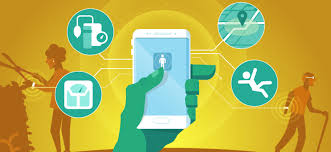 Sensor-based remote monitoring of older adults – a good idea in 2009. That year, GE
  CES 2023 is, as the sponsors say, a wrap.