
Adults aged 50+, however, did not share this assertion.
09/22/2026
Policy recommendations for addressing weaknesses in AI and how government is deferring to companies.
09/10/2026
Why senior living's first attempt at using robots was a flop.
09/10/2026
Adding flourishing to Lifespan and Health span.
09/10/2026
CDC says average 65 year old retiree will reach 85, challenging retirement planning assumptions.
 A search for 2026 and AI concerns is, uh, concerning. It’s a
  Today's baby boomer is open to monitoring his or her own health. The population aged 62-80 are increasingly likely to own smartphones, smart watches, Wi-Fi in the home and other tech, such as hearables and chronic disease tracking tools. They may have hearing or vision limitations that could be assisted with new technology. They may have family members who are also interested in their wellbeing. A large number them may be solo agers, divorced, widowed and living alone or a long distance from family. The majority will remain in their own homes for as long as is feasible.
 What was bad is worse – and the tech firms pay little attention. This Washington Post author advocates for the importance of technology caregiving --
 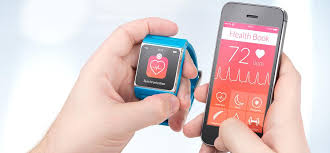 Some baby boomers check their personal data on smart watches or their phones regularly. They track their activities, tolerate the reminders to stand, wishing to do better than they did last week or last month. Maybe they stand on an ever-smarter weight scale – or go off to the gym to work out in groups or alone. Why? Maybe they are women (unaddressed at CES 2026) who