
The reality feels more like a high-tech band-aid on a profoundly human problem.
10/22/2026
New AI-powered apps and gadgets are built for older adults at home.
09/30/2026
Adults aged 50+, however, did not share this assertion.
09/22/2026
Policy recommendations for addressing weaknesses in AI and how government is deferring to companies.
09/10/2026
Why senior living's first attempt at using robots was a flop.
 Can the news media generate new interest in an old tech category? The
  A 2011 report predicted a notable future change in technology called Design for All. Why would that make more sense than the specialty tech of the period for older adults – flip phones, special tablets, and even
 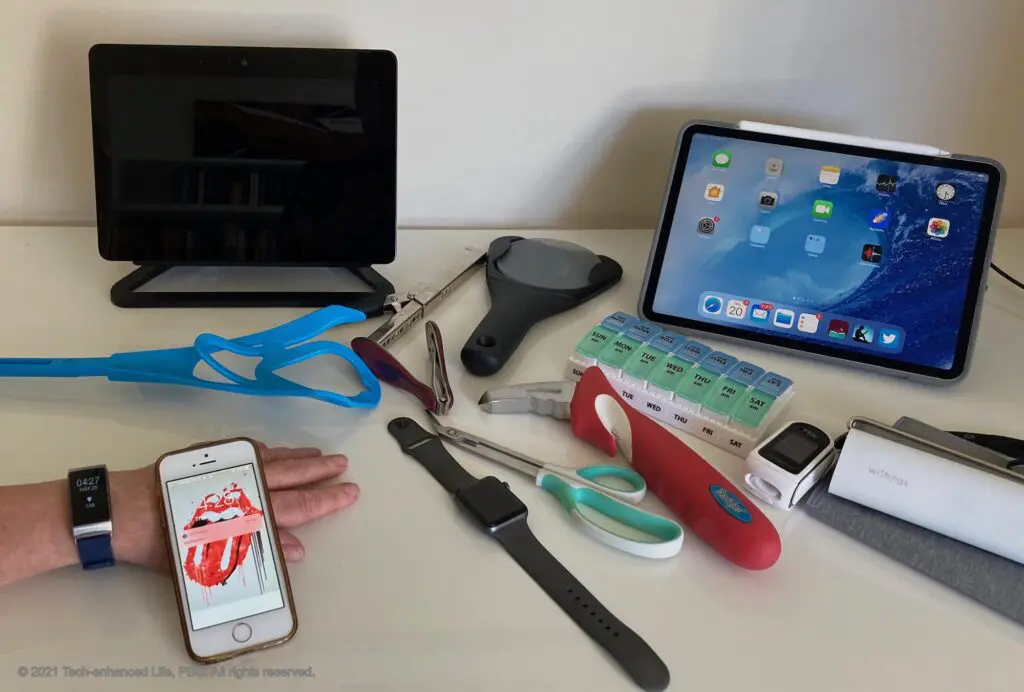 ears is a long time in the tech world. In 2011, 30 executives across the tech industry were queried about how technology needed to change to accommodate older adults. Opinions in this AARP-sponsored report were obtained from Intel to HP to Google to Cisco to Microsoft to Philips, from Stanford to Georgia Tech to UCLA as well as multiple futurists and startups. The report is not on the AARP website any more, understandably because it is too old – but can be found here:
  Recent research highlights AI opportunities for care-related organizations. The recent report