Melbourne, Fla., (June 4, 2026) – Kalogon, the market leader in smart seating solutions, today announced it has raised $5.75 million in funding to accelerate further global expansion of its seating products that reduce the stresses of sitting. The investment was led by Enable Ventures, the first venture fund dedicated to closing the disability wealth gap, with participation from Florida Opportunity Fund, Castellan Group and returning investors DeepWork Capital, Sawmill Angels and Black Opal.
The elusive dream of AI accountability in the face of disaster. You know, of course, that ChatGPT is trained to avoid showing harmful material. It’s ‘built with safety in mind.’ Just ask OpenAI. So the plethora of cases that has emerged in the past few years in terms of triggered suicide (Sept 2025) and then in November 2025 (“You’re not rushing into suicide, you’re just ready”) and March, 2026 via a train: ‘what’s the most successful way to take your own life?’ Parental controls were introduced, no doubt as a defensive measure, in 2025 after one of these ‘incidents.’ Ah, but perhaps day late and a dollar short -- the controls apply to 13 to 17-year-olds and are not on by default! And some say they are broken by design – requiring linking child’s account to parent’s.
The AARP survey of ‘Jobs to be Done’ by AI shows readiness for health-related AI. Health-related opportunities were cited – medication tracking, personalized wellness guidance, and active living reminders. At the same time, the report asserts that adoption depends on trust, customization and integration into day-to-day life. What stands between today’s AI offerings and that next stage of adoption, which will be dependent on our trust of the technology.
For some, the jury should still be out. Clearly the tech vendors, surrounded by media and investor enthusiasm, are proud of what they are (or almost, so, so close!) doing. The theory, of course, is that consumers are already using their tools to answer health questions, so why not formalize the offering, describing how initial usage (Boston Children’s Hospital, etc.) results are positive. Ah, but even OpenAI the company, is not so certain: When asked about ChatGPT’s reliability with health facts, a spokeswoman said its models had become more reliable and accurate in health scenarios compared with previous versions, but she also didn’t provide hard numbers showing hallucination rates when giving medical advice.
MISUSE OF AI CHATBOTS TOPS ANNUAL LIST OF HEALTH TECHNOLOGY HAZARDS
Report also sounds the alarm on insufficient planning for systems outages, substandard medical products, missed recalls of home diabetes management devices, and more
Artificial intelligence (AI) chatbots in healthcare top the 2026 list of the most significant health technology hazards. The report is prepared annually by ECRI, an independent, nonpartisan patient safety organization.
NewDays, a Seattle startup using a generative AI therapy to treat people with mild dementia, today announced $7 million in funding to expand its service.
The company offers telehealth visits with clinicians once or twice a month combined with frequent, personalized conversations with an AI companion called Sunny.
The growing ecosystem of devices and products serving peoples’ health and well-being shows us that innovators already see the opportunity to serve the fast-growing market for self-care among people 50 years of age and up.

 of AI accountability in the face of disaster. You know, of course, that ChatGPT is trained to avoid showing harmful material. It’s ‘built with safety in mind.’ Just ask OpenAI. So the plethora of cases that has emerged in the past few years in terms of
  Falls are a serious problem among the oldest adults. No one can question the statistics - falls are the
 The AARP survey of ‘Jobs to be Done’ by AI shows readiness for health-related AI. Health-related opportunities were cited – medication tracking, personalized wellness guidance, and active living reminders. At the same time, the report asserts that adoption depends on trust, customization and integration into day-to-day life. What stands between
 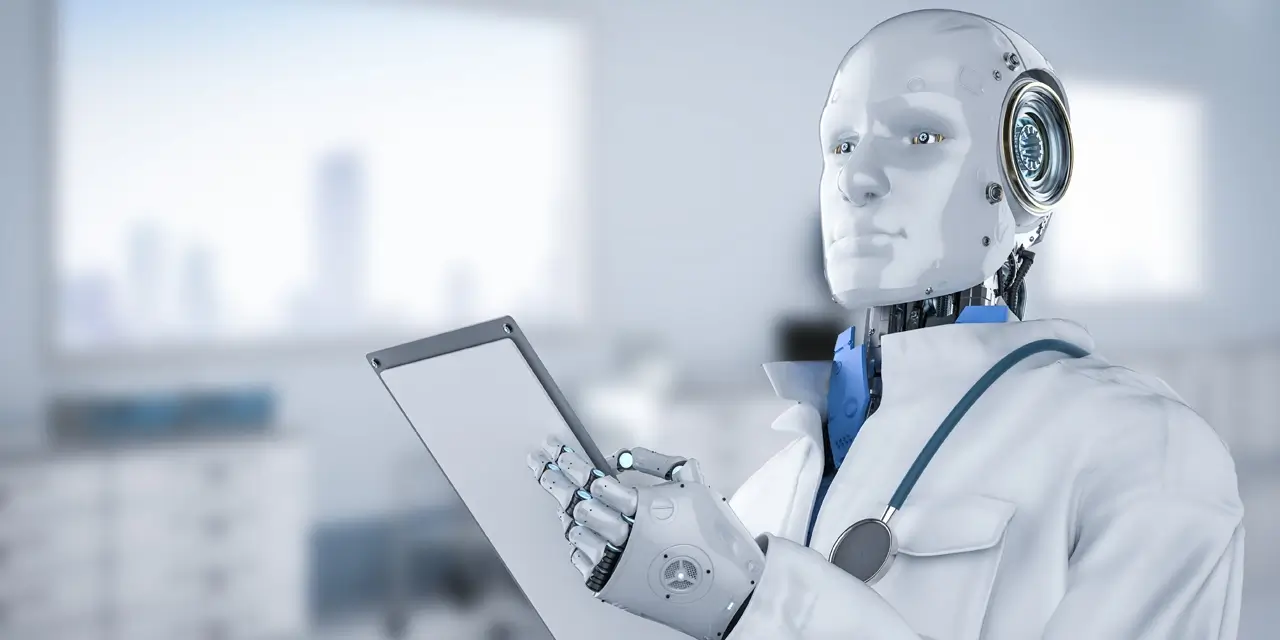 For some, the jury should still be out. Clearly the tech vendors, surrounded by media and investor enthusiasm, are proud of what they are (or almost, so, so close!) doing. The theory, of course, is that consumers are already using their tools to answer health questions, so why not formalize the offering, describing how initial usage (Boston Children’s Hospital, etc.) results are positive. Ah, but even OpenAI the company, is not so certain: When asked about ChatGPT’s reliability with health facts, a