
Adults aged 50+, however, did not share this assertion.
09/22/2026
Policy recommendations for addressing weaknesses in AI and how government is deferring to companies.
09/10/2026
Why senior living's first attempt at using robots was a flop.
09/10/2026
Adding flourishing to Lifespan and Health span.
09/10/2026
CDC says average 65 year old retiree will reach 85, challenging retirement planning assumptions.
 Back in the day – 2009. Seems like, uh, 17 years ago. Long before the arrival of AI. Long before
 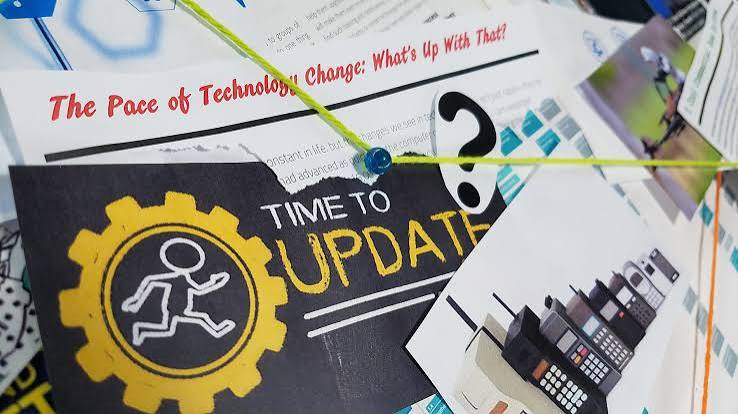 Looking back to see the future. Tech for older adults has been a market category for a long time. It is documented in a
  Living alone and fall risk. Today
  How important is a smart watch? Last year the
  An email from a startup founder offered this observation about older adults’ comfort with technology: “The user experience gap between what a product promises in a press release and what a 78-year-old will actually pick up and operate is where most elder care technology quietly fails.” Not true. If it provides a much-wanted experience like a chat with a grandchild, most older adults will deal with the hassle factors of downloading and using any software. If it involves an app to enable signing up for a desired exercise class, most will deal with the hassle. Long ago, one tech provider told her mother that if she didn’t use the check-in software, she would have to move her to assisted living. She got the message and provided regular updates.