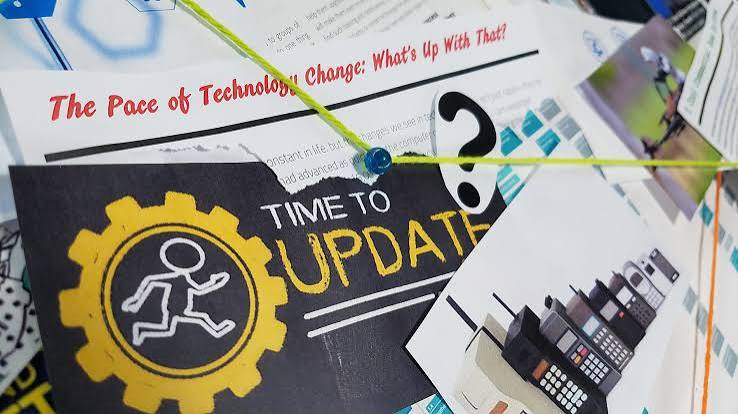
 Looking back to see the future. Tech for older adults has been a market category for a long time. It is documented in a 2009 Market Overview as ‘Tech for Aging in Place’ and is accompanied by a categorized list of tech companies that fit the needs of older adults at that time. What is striking about this report? It’s basic assertions are unchanged – people want to remain in their own homes, as independent as possible. The cost of long-term care was daunting and largely out of reach in 2009. Assisted living cost was $36K/year in 2007 and was projected to grow to $51K by 2015. Actually, it exceeded $75,000 in 2026, still largely paid out of pocket from savings and social security income – today only 3% of Americans have long-term care insurance.
Care capacity was projected to become a future crisis by 2020. The report cited projections of 55 million people aged 65+ by 2020 – there are more than 61 million today. But the caregiver support ratio, defined by AARP in 2013 as a risk for the baby boomer population, has been worsening for years. Worker shortages have become a crisis for both families and professional care organizations. Job turnover in home health care, for example, is now 79%. And worker shortages factor into the growing interest in tech-enabled monitoring in home care, senior living and nursing homes today.
The 2009 Tech Categories remain unchanged. In 2009, there were only a few tech options in each category, but by 2025, the individual technologies had changed dramatically. Consider AI-enabled, voice-enabled, sensor-based remote monitoring, advances in hearing technology, and a growing urgency to help family caregivers with technology. While some tech companies in the original list of offerings remain, most have departed. Meanwhile, by 2025, AI had arrived and disrupted nearly every category of technology, increasingly embedded in every form of software and device. While anxiety about AI has been well-publicized, most people have no real idea about where it is used and when. And the AI investment market, unimaginable in 2009, has exploded to $2.3 trillion in 2026.
Older adults today are very different, but can still be outsmarted by new tech. Many live alone, and more striking, many are living far longer than anticipated in 2009, well into their 80s, both men and women. Today 90% of older adults have smart phones, and for good or for ill, throughout much of the country land lines are being phased out. However, despite growing comfort with and use of smartphones, people are still struggling with tech complexity, frequent and undesired tech upgrades that introduce unwanted new features.
Up Next Week – more musings on decades of tech change and older adults.