What was bad is worse – and the tech firms pay little attention. This Washington Post author advocates for the importance of technology caregiving -- helping aging parents with technology that is too difficult to navigate – like finding ‘Pay Bill’ button that moved or locating a discount coupon. Or forcing the elderly to use a QR code to read a concert program or study a restaurant menu. An airport Chili’s restaurant dropped paper menus a few years ago. Maybe they did it to save the planet. But many of the people who are in that airport are elderly – and they don’t know what’s for lunch until they train themselves to aim their cameras at the reprehensible and confusing QR code menu. Or they must plan ahead and read the online menu before they show up. Really?
Accessibility and usability – who knew they were different? The term (and features) arose from the 1990 Americans with Disabilities Act, amended by Congress in 2008, when the focus was on reducing/eliminating discrimination against people with disabilities. Although it appeared at the time to be a good start, the amendments were produced after it was clear that the ADA did not (and still does not) fulfill the expectation of enabling individuals with disabilities to participate in all aspects of life. However, even with the amendments, the job of making locations accessible to those with disabilities, including wheelchairs, left much to be desired, as the AXS map initiative demonstrates. Initially mapping locations in New York City -- the crowd-sourced AXS map was founded by Jason DaSilva and described in the 2013 documentary When I Walk. The crowd-sourced map continues to update accessible locations around the world. And Jason continues to tackle the boundaries and limitations for those with disabilities.
Parks Associates' update this week is illuminating. In offering up a chart and commentary about tech in the ‘connected’ home, note trouble and aggravation. In addition, half of all households reported difficulty in setting up their Wi-Fi network (see Figure 1). Consider the first 3 reasons for returning (installation, learning features, configuring settings). Those reading this blog can look around their own home – noting a Wi-Fi network, smartphone, smart speaker, or in some homes a smart doorbell, thermostat, refrigerator – or a too-smart car. Aside from returning a product that is baffling to deal with, what should people, not just older adults do? As new products proliferate, 6 or more devices in the home, what will they do?
It's 2021 and baby boomers turn 75. It took the combination of 71 million boomers, a pandemic emergency, and the sheer size of the aging population to transform a 2009 market niche into this 2021 market category worthy of investment-- less about products specifically designed for older adults as it is about the marketing of many existing offerings as useful to them. But this is January, 2021, in the time of Covid-19 and the time of the all digital Consumer Electronics Show -- this time with at least 70,000 online attendees from around the world and the tech industry -- and so new companies are surfacing with technologies that will generate interest and even excitement during 2021. The entrants that can help older adults fit into categories like:

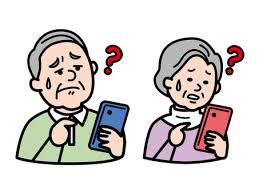 What was bad is worse – and the tech firms pay little attention. This Washington Post author advocates for the importance of technology caregiving --
  back for some. You probably think the inevitability of tech change is mostly positive. And in a macro sense, maybe it is. But for some older adults, it’s one negative experience after another. The
  Accessibility and usability – who knew they were different? The term (and features) arose from the
  Parks Associates' update this week is illuminating. In offering up a
 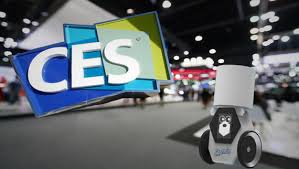 It's 2021 and baby boomers turn 75. It took the combination of 71 million boomers, a pandemic emergency, and the sheer size of the aging population to transform a 2009 market niche into this 2021 market category worthy of investment-- less about products specifically designed for older adults as it is about the marketing of many existing offerings as useful to them. But this is January, 2021, in the time of Covid-19 and the time of the all digital