WEST PALM BEACH, Fla. – UpRight Science today announced that the United States Patent and Trademark Office (USPTO) has registered BALANCE: THE SIXTH VITAL SIGN®, marking a milestone in the company’s work to bring greater awareness to balance as an essential measure of health.
According to DataM Intelligence, The global AI in Elderly Care Market was valued at US$ 6.47 billion in 2025 and is projected to reach US$ 36.64 billion by 2035, expanding at a 22.12% CAGR during 2026-2035. AI is rapidly transforming elderly care through real-time health monitoring, intelligent fall detection, predictive risk analysis, AI companions and automated care coordination.
Startups targeting the older adult market segments continue to emerge. The oldest baby boomer has reached age 80 and many will live well past that age. Reports are emerging that assess this longevity phenomenon.. Many live alone, and some may be in need of the emerging technologies to help preserve quality of life and independence. These could appear in the caregiving space, offer check in calls to older adults living alone, strategies for aging in place, or assisting the hearing impaired. Here are five new technologies for older adults that have emerged in recent weeks and months. The text is derived directly from the websites of the companies themselves.
Looking back to see the future. Tech for older adults has been a market category for a long time. It is documented in a 2009 Market Overview as ‘Tech for Aging in Place’ and is accompanied by a categorized list of tech companies that fit the needs of older adults at that time. What is striking about this report? It’s basic assertions are unchanged – people want to remain in their own homes, as independent as possible. The cost of long-term care was daunting and largely out of reach in 2009. Assisted living cost was $36K/year in 2007 and was projected to grow to $51K by 2015. Actually, it exceeded $75,000 in 2026, still largely paid out of pocket from savings and social security income – today only 3% of Americans have long-term care insurance.
This Aging in Place Tech blog was launched officially in 2009. We asked ChatGPT to give the December, 2009 blogs a review and compare them to October, 2025 blogs to see what changed in terms of topics and tone. In 2009, it detected an emerging market and observations about immature and simplistic products and gadgetry. Remember GE’s acquisition of QuietCare? It detected frustration with fragmented markets, poor adoption and naïve assumptions in the market about older adults. ChatGPT also noticed observations about poor usability and lack of integration among products, vendor hype (touch screens had just emerged), as well as the need for market education. The belief in 2009 was that older adults could and would adopt technology if it is useful and respectful.
A 2011 report predicted a notable future change in technology called Design for All. Why would that make more sense than the specialty tech of the period for older adults – flip phones, special tablets, and even special TV remotes, some still available today. Those age-specific devices today are marketed online – and for those looking for tech for people with Alzheimer’s or mobility issues they can be found. But the general consumer product market has radically changed by 2026 – today it is feasible to adjust features of a device to accommodate physical, hearing or vision limitations with products that are designed for all. Software has become the enabler as:
Connected care in the home has the potential to address both the preferences of older adults and the societal imperative to care for a rapidly growing aging population

 Startups targeting the older adult market segments continue to emerge. The oldest baby boomer has reached age 80 and many will live well past that age.
 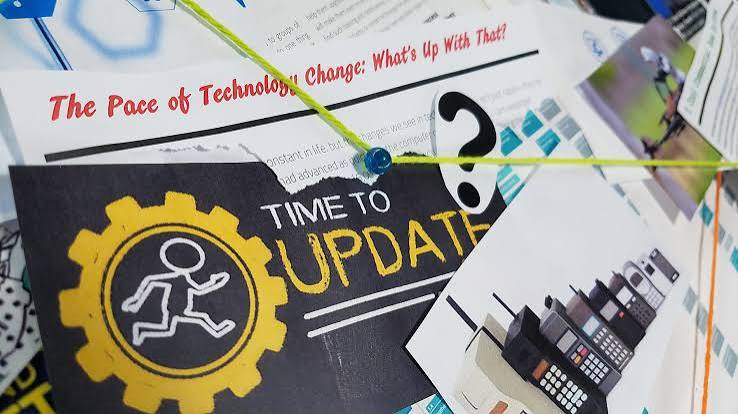 Looking back to see the future. Tech for older adults has been a market category for a long time. It is documented in a
  This
This  A 2011 report predicted a notable future change in technology called Design for All. Why would that make more sense than the specialty tech of the period for older adults – flip phones, special tablets, and even