Why does tech-enabled home care show potential? Growing life expectancy and shrinking assets limit options of older adults in late life, leaving those who may need care more likely to receive it at home. The biggest constraint for this industry is scarcity of willing workers. Although a greater role for technology is envisioned by many, the highly fragmented home care industry has made incremental progress in achieving it. As the industry matures, standard practices and tech-enablement have begun to take shape. With the coming age wave, venture capitalists have been intrigued and funding has exploded, exceeding $200 million by 2016 year end.
LANCASTER, Penn. (January 10, 2017) – Track 5 Media, LLC, today announced the launch of SeniorCaring.com, the newest website to join the company’s network of industry-specific online properties.
At an event this week with that title – it makes you wonder. What will living to 100 be like in 40 years? In 2014, there were 72,197 Americans aged 100 or older, according to a report from the Centers for Disease Control and Prevention. That number is up 44% since 2000, so that is presumably the good news. Moving forward, the projection is for an even more impressive number – 603,971 anticipated by 2060. The bad news? The cause of death from Alzheimer’s disease among centenarians has also increased by 119% since 2000.
WASHINGTON, Dec. 29, 2016 /PRNewswire/ -- To further the discussion on how technology and innovation impact the lives of people 50-plus, AARP today reveals its lineup of CES presentations addressing relevant trends from autonomous vehicles to intergenerational technology.
Concordia Systems Inc. is pleased to announce immediate availability of SentinelCALL™, a low-cost service that uses telephone calls to stay in contact, offer reminders, and keeps families connected without being invasive or burdensome.
"Amazon’s Alexa Voice Service and voice assistants in general have been a subject of interest for many of our clients looking to explore how they could extend their brand and the usefulness of their products or solutions with voice interaction. While exploring this possibility with one such client, they proposed a concept that would use Alexa to help the elderly and people with chronic illnesses live more independent lives. Out of this idea sprung LifePod, an Alexa voice-enabled device that acts as a virtual caregiver and digital assistant.
Hopefully a road full of self-driving cars is media mythology. For the breathlessly awaiting, note Wall Street Journal quote about it being 25-30 years before self-driving cars will dominate the roadways. Apparently there are 250 million vehicles on the road today that are at least 10 years old (impressive in a country that only has 318 million people). Also appreciate that 25 years from now is when millennials will enter their 60s. Will they be just as eager then as they are now to leave the driving to a Google engineer – or will they be as cautious as today’s boomers? Will these 50-year-olds be walking slowly, bent over as they cross the street, the image of 'old.' Maybe at 50, they will not be as ignorant as this video shows them to be now.

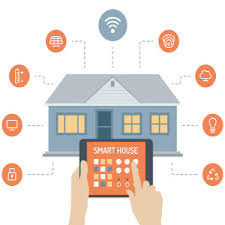 Tech-enabling home care is one lens on future of care. Venture capitalists listen carefully for trends fueled by talk in the media. During the past several years, they heard plenty -- about the
 Why does tech-enabled home care show potential? Growing life expectancy and shrinking assets limit options of older adults in late life, leaving those who may need care more likely to receive it at home. The biggest constraint for this industry is scarcity of willing workers. Although a greater role for technology is envisioned by many, the highly fragmented home care industry has made incremental progress in achieving it. As the industry matures, standard practices and tech-enablement have begun to take shape. With the coming age wave, venture capitalists have been intrigued and funding has exploded, exceeding $200 million by 2016 year end.
 What will living to 100 be like in 40 years? In 2014, there were 72,197 Americans aged 100 or older, according to
