Elder Home Monitoring 2.0 – it may fill a growing need. Several companies noted were at CES or with announcements at or around that time offered up the possibility of a dashboard or collected insights about the wellbeing of an older adult at home. These may signal not only the next generation of in-home monitoring, but also the next generation of predictive analytics used to help older adults stay longer at home and/or out of the hospital. The timing is good as the oldest Baby Boomer turns 74 this month – and more older adults are staying longer at home. Information is from the company websites or press materials:
Voice First -- The year began and ended with speaking. And shouting. Strolling is not the right word, but as we approached the Las Vegas Convention Center last January, Google Assistant was on giant billboards all around – with competing and nearby giant Amazon Alexa signs. We are attending again this year – and I cannot imagine what is left to say, so to speak. But I am sure the blaring will begin at the door. Here are the most read blog posts from 2019. Happy New Year – and onward to 2020, the publication of the now-completed Voice, Health and Wellbeing 2020 report on Friday, January 3, and so many more (and counted) CES steps -- more wearables, virtual experiences, smart and not-so-smart speakers. See you there!
The more things change...This is the tenth anniversary of the launch of this Market Overview of technology for ‘Aging in Place’, to be re-published in March 2019 – the category of offerings that help enable older adults to remain longer in their home of choice. The launch of that first report was timed in conjunction with the What’s Next Boomer Business Summit of 2009 and offered a chance to speak publicly about a market category that had been largely ignored by tech industry analysts. As a long-time Forrester analyst, this seemed odd, not unlike the ‘tree falling in the forest’ cliché – if there is no market overview of tech categories, how do vendors position themselves in the market?

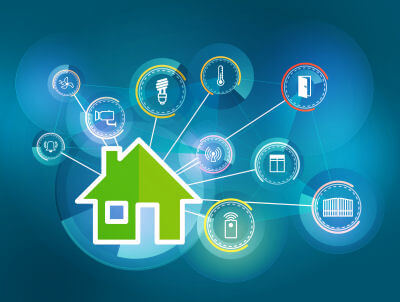 Elder Home Monitoring 2.0 – it may fill a growing need. Several companies noted were at CES or with announcements at or around that time offered up the possibility of a dashboard or collected insights about the wellbeing of an older adult at home. These may signal not only the next generation of in-home monitoring, but also the next generation of predictive analytics used to help older adults stay longer at home and/or out of the hospital. The timing is good as the oldest Baby Boomer turns 74 this month – and more
 Voice First -- The year began and ended with speaking. And shouting. Strolling is not the right word, but as we approached the Las Vegas Convention Center last January, Google Assistant was on giant billboards all around – with competing and nearby giant Amazon Alexa signs. We are attending again this year – and I cannot imagine what is left to say, so to speak. But I am sure the blaring will begin at the door. Here are the most read blog posts from 2019. Happy New Year – and onward to 2020, the publication of the now-completed
 The more things change...This is the tenth anniversary of the launch of this Market Overview of technology for ‘Aging in Place’, to be re-published in March 2019 – the category of offerings that help enable older adults to remain longer in their home of choice. The launch of that first report was timed in conjunction with the
