Wearables are new to most older adults in 2021. But that will change in the coming years as broad market acceptance drives interest among the 65+ population. Adoption will grow as the price points become more affordable; and most important, as the data from wearables becomes more actionable, informative, and predictive of future change. Within five years, doctors will see the benefit in guiding older adults to their usage. Chronic disease monitoring through wearables will see the most substantial growth.
What does the future hold for wearables and older adults? Change is ahead. Older adults in 2021 are at the same point of awareness and adoption of wearables as was once the case for Voice First. According to AARP's recent technology survey, most, especially those aged 70+, have not adopted wearables. They may be particularly unfamiliar with those that capture and track health-related status. But that will change, as general market adoption drives interest among older adults and those who care for them. Price points will become more affordable and data will become more actionable, informative, and predictive of future change. As the technology evolves, wearables will be:
For wearables to be useful to older adults, some barriers need to be overcome. As has been the case with other technology innovations that can provide great benefit to seniors, the value of wearables may be great for older adults -- especially when personalized to the characteristics and needs of an individual. However, the implementation and/or data integration may be lacking. And there may be significant concerns about being tracked or where the data resides. Reviewing the impediments to this useful category actually being adopted -- these may include:
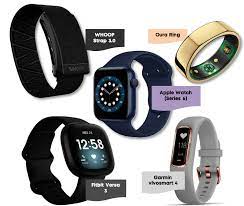
Wearables are nothing new – except in how they are used. The Quantified Self movement, coined as a term in Wired in 2007, simply described the growing interest in tracking those personal characteristics that could be recorded and analyzed by the user of wearable technology. From activity trackers that gained popularity in the past decade, to introduction of smart watches by Apple in 2015, the adoption of wearables by older adults has continued to grow. New products fuel interest about their potential for older adult health-related benefit, such as the Oura Ring, the Apple Watch Series 6 and the Samsung Galaxy Watch 3 Active, or the Bose SoundControl hearing aid.
Not your mother’s pendant or your father’s blood pressure cuff. Today’s wearables, adopted by only a small percentage of older adults, have possibilities for helping many. Research interviews for The Future of Wearables and Older Adults 2021 report, published in June, show notable change in this market. Wearables today have moved beyond the PERS pendant functionality so long marketed to older adults. Today’s devices, whether on ear, hand, or wrist, may incorporate AI, enable personalization, track multiple health attributes, notice change, predict future issues, or even provide guidance for suggested health improvements. Here are five examples discussed with their execs in research interviews -- all content comes from the company website or reviews:
April 2021 – the season for tech surveys. Tech adoption continues apace. If the new AARP Tech Trends of the 50+ and Pew Mobile Fact Sheet surveys were representative, fewer and fewer older adults are missing out on technology use. Unfortunately, both of these surveys band upper age responders into age 70+ and 65+ respectively – so it is impossible to detect what the Real Seniors aged 75+ are using. Today there are at least 23 million people in the US age 75+. Don’t they deserve a demographic sub-category? Especially given the bad news from the January Humana report stating that 22 million aged 65+ lack broadband and thus miss a great deal. Are they living alone? In rural areas? What if a government agency wanted to provide them with a free broadband plan, a smartphone and smart watch, how would they be located?
Wearable devices make up an $81.5 billion global market in 2021. According to Gartner’s January 2021 forecast, this was driven by increased consumer interest in tracking their health status during the pandemic (smart watches) and the growth of remote work (purchases and upgrades to headphones and ear-warn devices). According to one insider, 3-5 million Apple watches alone have been purchased by adults age 65+. And AARP’s newest technology adoption report, just published, notes that 20% of the 70+ age range own a wearable. Also notable, considering that most wearables are still paired with them, smartphone ownership has risen most sharply among the 70+, with 77% of survey responders indicating they own one.

 For wearables to be useful to older adults, some barriers need to be overcome. As has been the case with other technology innovations that can provide great benefit to seniors, the value of wearables may be great for older adults -- especially when personalized to the characteristics and needs of an individual. However, the implementation and/or data integration may be lacking. And there may be significant concerns about being tracked or where the data resides. Reviewing the impediments to this useful category actually being adopted -- these may include:
 Not your mother’s pendant or your father’s blood pressure cuff. Today’s wearables, adopted by only a small percentage of older adults, have possibilities for helping many. Research interviews for
  April 2021 – the season for tech surveys.
  devices make up an $81.5 billion global market in 2021. According to Gartner’s