It’s a scary time to think about AI. Healthcare workers are nervous, professional caregivers think it’s too early. To read the media, reporters are sharing their anxiety. AI is terrifying about the possibility of making people (and journalists) obsolete or initiating accidental destruction and havoc. Doctors worry about the elimination of whole specialties like radiology and educators are in a tizzy trying to determine the real author of student projects. The media frets frequently about mistakes made by ChatGPT. But the situation is vastly different in the older adult marketplace. It is a space that benefits greatly from AI’s capability to learn from accumulated data, combined with its ability to predict possibilities like Alzheimer's disease based on that data, informing caregivers, families, and other stakeholders. Other countries with serious caregiving labor shortages see the possibilities – and if anything the US senior care industry is late to the party.
LAFAYETTE, CA, APRIL 18, 2023 – Mary Furlong & Associates (MFA), producer of the longest running conference in the longevity economy, announced its 20th annual What’s Next Longevity Venture Summit on June 14–15.
Even Bing and ChatGPT have lousy answers. In fact, as lives lengthen, data about aging individuals dwindles inversely. Don’t believe it? Start searching for recently surveyed data about individuals aged 75+. Use the usual searches for income, marital status, housing status, tech ownership. Go ahead – give Bing and ChatGPT a try too – for example, smartphone ownership in the US among those aged 75+. Data returned was from 2017, with an apology that nothing more recent was available. You would think this was an easy question -- Bing knew it and was sorry about the lack of current info, which none of the other usual sources have either.
ORTLAND, Ore., Feb. 28, 2023 /PRNewswire/ -- ViewClix (https://viewclix.com/), the leader in providing visual communications for seniors, today announced the launch of the new "E series" ViewClix Smart Frames that will include ViewClix's new innovative features. The Smart Frames are the latest release for the company which launched in 2017 and has provided tens of millions of video call minutes to families around the world.
The hype about ChatGPT and its peers has revolutionized the tech world. And it is clear from current research that this revolution isn’t temporary, nor is it even sudden. Though with its initial user calculation at 100 million, it now appears the fastest growing ‘consumer’ application in history. And it is fair to say that the applications of it are making its way into the world of older adults, this AARP article describes its uses for older adults in generating a letter to contest a medical bill. And it notes the ability to ‘provide companionship, offer mental stimulation, share stories and experiences, and suggest hobbies and activities.’ Although the article claimed on Feb 28 that there was no mobile version, Bing Search (an alternative mechanism) has this interactive chat built in, including support for multiple languages) and available for any smartphone. And ChatGPT can be accessed through any mobile browser.
SAN FRANCISCO--(BUSINESS WIRE)--Honor Technology, Inc., the world's largest home care network for older adults with the most-advanced Care Platform technology, today announced that executives will be leading three panel discussions at South by Southwest (SXSW) 2023 in Austin, Texas. Set for March 11 as part of the SXSW 2023 Health & MedTech Track, the panels will explore a variety of topics touching on the need for infrastructure and communities to support seniors aging in place and the technology and investment opportunities.
CHIANG MAI, Thailand (February 17, 2023)— A new check-in service for seniors living alone named “I’m Still Okay” was launched on February 17. “I’m Still Okay” is a balanced approach to preparing for emergencies in a dignified and empowering manner.
David Freidberg, a 73 years old American who lives in Chiang Mai, Thailand, conceived of the idea of a service for seniors living alone. But only after working with his friend Jouni Flemming, a software engineer from Finland, this idea materialized into an online service called “I’m Still Okay”.
February – that’s when the 2023 AI hysterical hype cycle went into full gear. You know a topic is important when leading media sites like the New York Times and Wall Street Journal become irrational and contribute to the general cacophony – even offering up worries from, wait for it, Henry Kissinger and Eric Schmidt – Kissinger is 98, but apparently still trying out new software tools. Eric Schmidt was former CEO of Google – he should be worried. But the article ChatGPT Heralds an Intellectual Revolution was the whipped cream on top of the icing on the cake. Its subtitle: "Generative artificial intelligence presents a philosophical and practical challenge on a scale not experienced since the start of the Enlightenment."
These two letters, AI, have risen to top of tech talk and media minds. A quick search reveals near hysteria in the media and near panic among leading tech firms. And even the Federal Trade Commission is wary of the current hype and AI-powered marketing claims. Experts warn about the need for ‘guardrails’ against tools giving inappropriate answers, and they worry about ethics to underpin the answers of tools like ChatGPT. So as a result, tech firms want you to know that they are working on appropriate fixes. As is typical of hype cycles, initial innovation is viewed as astounding, followed by efforts to break or downplay it. Which means it will become very useful.

 think about AI. Healthcare workers are nervous, professional caregivers think it’s too early. To read the media, reporters are sharing their anxiety. AI is terrifying about the possibility of making people (and journalists) obsolete or initiating accidental destruction and havoc. Doctors worry about the elimination of whole specialties like radiology and educators are in a tizzy trying to determine the real author of student projects. The media frets frequently about mistakes made by ChatGPT. But the situation is vastly different in the older adult marketplace. It is a space that benefits greatly from AI’s capability to learn from accumulated data, combined with its ability to
 Even Bing and ChatGPT have lousy answers. In fact, as lives lengthen, data about aging individuals dwindles inversely. Don’t believe it? Start searching for recently surveyed data about individuals aged 75+. Use the usual searches for income, marital status, housing status, tech ownership. Go ahead – give Bing and ChatGPT a try too – for example, smartphone ownership in the US among those aged 75+. Data returned was from 2017, with an apology that nothing more recent was available. You would think this was an easy question -- Bing knew it and was sorry about the lack of current info, which none of the other usual sources have either.

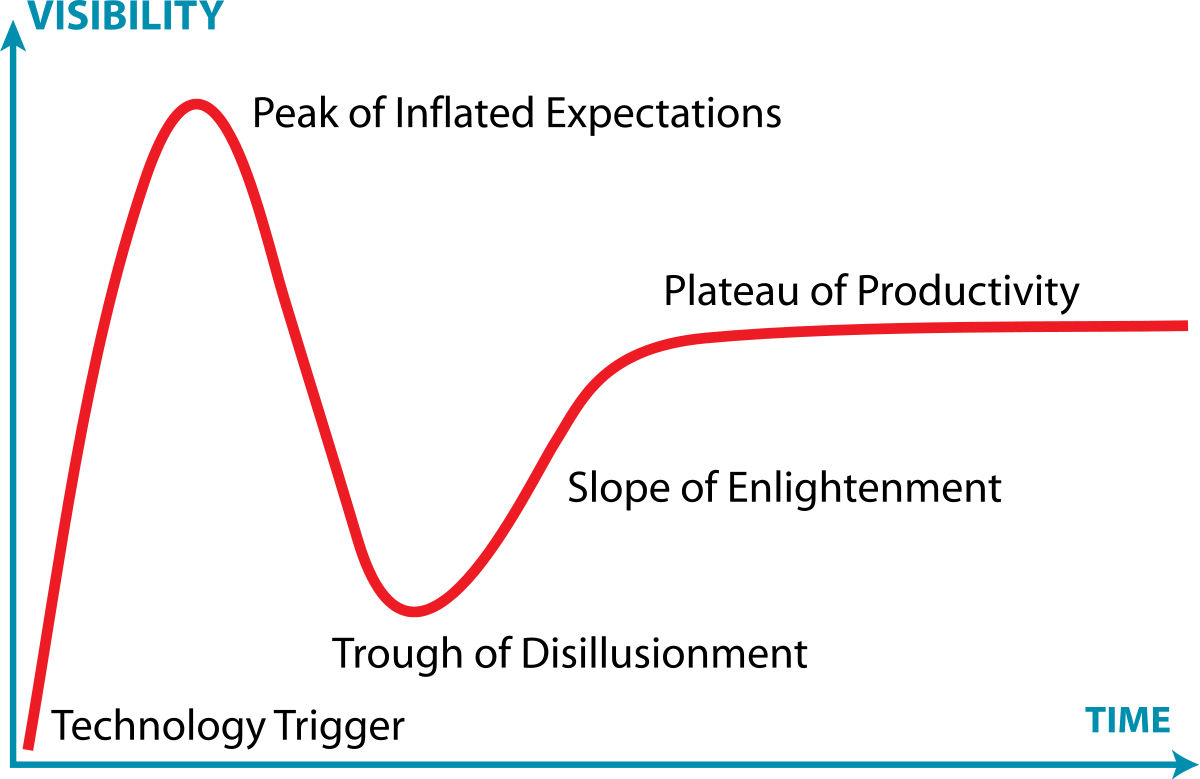
 These two letters, AI, have risen to top of tech talk and media minds.
