The healthcare system is an ever-changing ecosystem, but as these changes are evolving there has also been major gaps within the sector. Therefore, SenSights.AI is leveraging AI, machine learning and voice recognition technology, which is being funded and developed by MarkiTech and its partners.
Technology access is a vital sign. Non-adoption is not an option. Post Covid-19 we have reached a technology dependency level that is worrisome (see remote hacking), problematic for young people (see social media impact), positive/negative impact on depression in older adults. But when viewed in aggregate, lack of access may be worse. Consider categories like smartphones and text messaging, voice assistants, wearables, cameras, computers, tablets, digital health, medication management, home security services, fall detection, fintech, hearables, location tracking, online shopping and more. What? You know older adults who could use a few of those categories, but likely are not. Why not? Perhaps they are worried about barriers, from A to Z:
The innovation competition season has begun. The What's Next Longevity Venture Summit is over and the Aging 2.0 Global Innovation Search voting process has begun. These are two substantial initiatives that often reveal interesting and useful companies to help with aging well and to mitigate various issues of aging and caregiving. Note that these five companies, selected from these two conference initiatives,are early stage (or even really early stage) and are included here because they may have concepts, offerings or approaches that are worth noting and thinking about. A link to the websites for more information is included. Please comment if you know of other competitions and offerings than those mentioned here.
NEW YORK, June 17, 2021 /PRNewswire/ -- Aloe Care Health, the most advanced voice-activated medical alert and communication service for elder care, has announced that the Aloe Care Smart Hub has won the Electronic Security Expo (ESX) 2021 Innovation Award. Aloe Care's proprietary, patent-pending device topped the Digital Health/Well-Being Systems/PERS (Personal Emergency Response) category and was named a breakthrough technology. The Innovation Awards recognize innovation and excellence in the electronic security and life safety industry.
Apple recognizes that aging is at the core of a device/health strategy. Several features were announced at Apple’s developer conference this week that were specifically relevant for an older demographic. Perhaps that population, likely aged 70+, may not (yet) have an iPhone or an Apple Watch. Noting the tech adoption gaps cited by AARP (wearables) and Pew (smartphones), Apple wants to change that, whether via family member gifts and/or pressure, possibly from healthcare providers. iPhones will offer real-time assessment of walking steadiness and fall risk, based on balance, stability and coordination while carrying the phone, not the watch. In addition, Apple added ‘opt-in’ health data sharing with other iOS users, such as aging parents, so that caregivers or family can see any worrisome trends like fall risk. No, data can’t be shared with Android or PC users. Why not, since, oddly, those users can launch a FaceTime call? Just because.
March was an unusually innovative age tech month – now let’s get organized. What did it all mean? Here’s a thought about this market, where the beneficiary of an innovation is an older adult, and the innovation could improve quality of life. A federal agency (or other national entity) could help individuals and organizations find a product that is needed with a product/service registry. A government agency could start a registry of these products/services – this one with staying power. You might remember AbleData – a product registry of 40,000 mobility aids and assistive technologies. It was conceived in 1982 and rolled into the responsibility of a federal agency in 1984, now part of the Administration for Community Living. What happened? Its useful website lasted more than 35 years. Then in 2020 it was abruptly shut down – with no further explanation - a caution for the next age tech registry. Here are the four blog posts from March 2020:

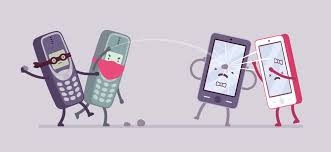 Technology access is a vital sign. Non-adoption is not an option. Post Covid-19 we have reached a technology dependency level that is worrisome (see
  Apple recognizes that aging is at the core of a device/health strategy. Several features were announced at Apple’s developer conference this week that were specifically relevant for an older demographic. Perhaps that population, likely aged 70+, may not (yet) have an iPhone or an Apple Watch. Noting the tech adoption gaps cited by
 March was an unusually innovative age tech month – now let’s get organized.