Over the next five years and beyond, the care industries will make more effective use of sensor technologies, which will benefit from device compliance with new standards and expansion of Wi-Fi access at home and in senior care. The introduction of ‘Edge computing’ in which device data is analyzed closer to the user. Older adults will benefit from the ubiquity of voice, AI and camera technology in their home/residence of choice. The cost of care will be rightsized – matching care capacity and improved wages for workers.
DENVER--(BUSINESS WIRE)--BioIntelliSense, Inc., a continuous health monitoring and clinical intelligence company, today announced its acquisition of AlertWatch®, an FDA-cleared, clinically proven patient monitoring solution. AlertWatch uniquely provides robust integration, data analysis and a patented intuitive display of contextual patient data for more efficient, actionable clinical decisions. As part of the recently announced strategic partnership with Medtronic, its Patient Monitoring business will distribute AlertWatch to hospitals throughout the U.S.
What changes in care technology will be different later in this decade? Consider the implications of adoption of sensors to deliver and improve the care of older adults -- then look forward five years. What will be different in this second technology wave, both from today and from the market a decade ago? Is this optimism justified? Does the shortage of labor to serve the aging population make sensor technology essential in delivering care? Many of the interviewees for this new report, due out in November, 2022, think that innovation in offerings, caregiving labor shortages, and a swelling demographic aged 80+ all combine to boost both utility and adoption across all care sectors. What specifically might be different?
RALEIGH, N.C., and TEL AVIV, Israel – October 13, 2022 – K4Connect, senior living’s leading integrated enterprise technology platform enabling the best in care, services and hospitality for older adults, and Vayyar Care, a global leader in automatic fall detection and remote monitoring, have entered into a partnership to bring next-generation touchless, camera-free fall detection technology to senior living residents and operators across the U.S.
DALLAS, Oct. 4, 2022 /PRNewswire/ -- Parks Associates reports more than 14 million US internet households have used an independent living solution, such as PERS, medical alert systems, or a smart home solution. Further, 54% of US internet households now have a connected health device and are looking for new technology solutions that are integrated and focus on communication, fall detection, and safety notifications especially around fire, water, and gas detections.
Parks Associates: Family Caregiver Reported Adoption of Independent Living Solutions
September brings falling leaves, rising and falling hopes. Turns out that VCs are waking up to the opportunity in the longevity economy. Recognizing that people may live a lot longer, perhaps even to 100. How do you prepare for such a long life? Behold the rise of the active adult lifestyle, now enabled with a boom in 55+ rental communities. Combine that change with the ‘Forgotten Middle Market’ of senior living. Consider the Chicago Tribune article about tech for aging in place. Now add in the shortage of workers in home care, health care, and nursing homes. If there was a time to look at the role of monitoring and engagement technologies that augment and assist the worker in the care of older adults – it would seem that this is the time. Here are four Sept blog posts on these and related topics:
SENSORIA HEALTH & DEFENDER ANNOUNCE AVAILABLITY OF FIRST SMART DIABETIC BOOT
WITH REMOTE PATIENT MONITORING
DESIGNED TO HELP HEAL DIABETIC FOOT ULCERS &
REDUCE RISK OF AMPUTATIONS
Foot Defender Powered by Sensoria Smart Boot Provides Behavioral Feedback to Patients and Remotely Monitors Them to Improve Outcomes -- Reduces Risk of Amputation
Disability and aging service providers are facing an increased need for care while also dealing with record staff shortages. These organizations are turning to technology solutions like GrandCare to continue serving clients in need without having to onboard more staff.
Sensor technology is increasingly useful in the care of older adults. As part of the research into the Future of Sensors and Older Adults, interviewees outlined ways sensors could be useful for mitigating fall risk. And their role tracking trips to the bathroom has been useful in detecting UTIs, identifying wanderers, alerting about sleep issues, noting whether a person has eaten. In senior living or home care, permission to track this type of information is likely (hopefully) given at the onboarding of a new care recipient or resident. By mitigating some of these issues, older adults could remain home longer, supported by home care. Or they could extend time in a senior living home, prior to moving to a higher level of care.

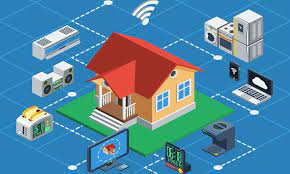 What changes in care technology will be different later in this decade? Consider the implications of adoption of sensors to deliver and improve the care of older adults -- then look forward five years. What will be different in this second technology wave, both from today and from the market a decade ago? Is this optimism justified? Does the shortage of labor to serve the aging population make sensor technology essential in delivering care? Many of the interviewees for this new report, due out in November, 2022, think that innovation in offerings, caregiving labor shortages, and a swelling demographic aged 80+ all combine to boost both utility and adoption across all care sectors. What specifically might be different?
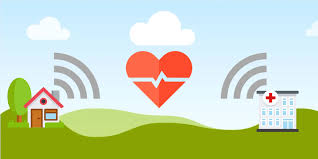 Sensor technology is increasingly useful in the care of older adults. As part of the research into the