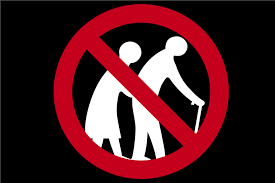
What is the point of sneering at older people? Rant on. Consider an upcoming HIMSS event in Orlando with the charming title: "Monitoring Grandma: Adoption of Connected Health Tech by Seniors." That version of the title is spelled out here because the presenter has been alerted and agreed that the title was condescending – so MAYBE it will be changed. But this is just the tip of the condescension iceberg: Go ahead, Google ‘technology grandma’. Just check out the first page or two of the millions of identified references – including the images of older women ‘holding it wrong’ or ‘ confused.’
Elder Home Monitoring 2.0 – it may fill a growing need. Several companies noted were at CES or with announcements at or around that time offered up the possibility of a dashboard or collected insights about the wellbeing of an older adult at home. These may signal not only the next generation of in-home monitoring, but also the next generation of predictive analytics used to help older adults stay longer at home and/or out of the hospital. The timing is good as the oldest Baby Boomer turns 74 this month – and more older adults are staying longer at home. Information is from the company websites or press materials:
Forma SafeHome, LLC starts the new year pleased to announce the launch of their affordable next-generation senior home monitoring service that facilitates more prolonged in-home independence for aging in place seniors or the disabled.
Forma has crafted the ultimate fall detection and health monitoring customization bundle that integrates the most advanced technologies into an all-in-one, patent-pending app, ROSIE SafeHome.
CES 2020 – walking the land of the new. What has 170,000 attendees, long lines, baffling arrangements of booth numbers across multiple, gigantic locations and more robots than you can shake a motion sensor at? That was CES 2020. This gigantic parade of the international new and possible can be perused online in detail (and perhaps more usefully) without walking a step or sniffing cigar smoke. This time, seen (somewhat) in person, here are 10 new offerings from the show that may be relevant to the older adult technology market. Descriptions are drawn from show booth presentations, sessions, websites, and press releases:
(Plano, TX) VitalTech announced today that its VitalCare platform for remote patient monitoring now includes a dedicated module for medications. Clinicians and patients can set medication reminders by time of day, which are then sent to the patient’s tablet or smartphone. These reminders can also be sent in the form of messages to VitalTech’s VitalBand smartwatch.

 What is the point of sneering at older people? Rant on. Consider an upcoming
  Elder Home Monitoring 2.0 – it may fill a growing need. Several companies noted were at CES or with announcements at or around that time offered up the possibility of a dashboard or collected insights about the wellbeing of an older adult at home. These may signal not only the next generation of in-home monitoring, but also the next generation of predictive analytics used to help older adults stay longer at home and/or out of the hospital. The timing is good as the oldest Baby Boomer turns 74 this month – and more
  CES 2020 – walking the land of the new. What has 170,000 attendees, long lines, baffling arrangements of booth numbers across multiple, gigantic locations and more robots than you can shake a motion sensor at? That was