The US population is aging and will be needing more care. You read it every day in the popular press – the bad news about the 65+ and their future care burden and the good news about the 65+ and their wealth (22% of US spending in 2022). Even with wealth, older adults at some point in their lives will need some level of assistance. While professional care providers will play a key role, increasingly their work will be augmented by software -- apps, machine learning and conversational AI. Why?
You know the statistics and they are alarming. Doctors and nurses are burning out, especially in the ER. Turnover is highest in the lowest-paid care positions – home care is at a high point at 77% as of 2022. Pressure is growing in senior living to ‘keep people well’ in conjunction with a higher level of acuity of care needs. Demand and costs are up, and availability of workers is down. Add the baby boomer population growth – all will pass 65 in just 7 more years -- in conjunction with a shortage of workers able and willing to help them. Hospitals are closing, particularly in rural areas – boosting expectations about care delivery in the home. And in 2023, AI technology is emerging to manage and even improve care. Here are four observations from the just-completed research interviews on this topic:
The halfway point -- research about Future of Care Work. Each interviewee was asked for thoughts in the context of the categories suggested by ChatGPT and any other categories that will improve the work processes for those in the care-related industries – home care, home healthcare, senior living care (including nursing homes), and hospital discharge processes to any of those. Few conversations focused on ChatGPT – instead it became apparent that innovation, including AI, is underway to optimize care work, focus on the workforce, and help keep care recipients at home:
Long ago 'aging in place' terminology emerged with a different meaning. Forgotten now, it was briefly in Wikipedia to define the benefit of a continuing care retirement community where you did not have to leave the community if you required higher levels of care. And the term wandered over briefly to assisted living. But it eventually stuck as remaining in your own home through thick and thin. And in 2013, it was promoted on the book circuit by former HUD director, Henry Cisneros about his 87-year-old mother – they were both insistent that she 'age in place.' Which she did, until she died after a fall, isolated in her huge house after all her neighbors had died or moved away.
The care continuum that serves older adults is an ignored reality. The stove-piping of care-related services is a myth. It is perpetuated in associations, venture capital and public policy lobbying. Examples: Some believe family caregivers are a standalone entity that does not use care services. That committing to aging independently at home is a permanent decision. Or that home care a parallel universe to senior living. Or that workers in each of those do not also find work in nursing homes. Reality check: Family caregivers may hire home care services. Or they move loved ones to senior living. Senior living companies (and families) augment limited staff with home care workers. And depending on health, wealth or financial planning, many older adults will one day move to nursing homes, where the worker pool matches that in the other care services. Each part of the continuum wants to use technology to deliver better, more efficient, and health-aware care. Here are five– information drawn directly from the websites:
For too many years, high quality data about care of seniors has been elusive. Lack of standardization of technology platforms – or lack of care platforms altogether – hobbled the care industries -- senior living, home care, home healthcare. Yet the merger and acquisition of companies in other industries ultimately results in consolidation of data. Platforms matter—they enable data standardization which in turn fuels growth. Consider Jet Blue’s interest in buying Spirit, getting planes and pilots(infrastructure) that match its current business. Consider Optum’s acquisition of Amedisys home health business. Note its 2015 $72.5 million write off of a failed in-house software deployment process. No doubt, Optum’s own data standardization business will help integrate Amedisys if the acquisition is improved.

 The US population is aging and will be needing more care. You read it every day in the popular press – the bad news about the 65+ and their future care burden and the good news about the 65+ and their wealth (22% of US spending in 2022). Even with wealth, older adults at some point in their lives will need some level of assistance. While professional care providers will play a key role, increasingly their work will be augmented by software -- apps, machine learning and conversational AI. Why?
 You know the statistics and they are alarming. Doctors and nurses are burning out,
  The halfway point -- research about Future of Care Work. Each interviewee was asked for thoughts in the context of the categories suggested by ChatGPT and any other categories that will improve the work processes for those in the care-related industries – home care, home healthcare, senior living care (including nursing homes), and hospital discharge processes to any of those. Few conversations focused on ChatGPT – instead it became apparent that innovation, including AI, is underway to optimize care work, focus on the workforce, and help keep care recipients at home:
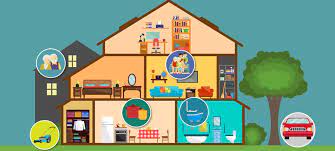 Long ago 'aging in place' terminology emerged with a different meaning. Forgotten now, it was briefly in Wikipedia to define the benefit of a
  The care continuum that serves older adults is an ignored reality. The stove-piping of care-related services is a myth. It is perpetuated in
 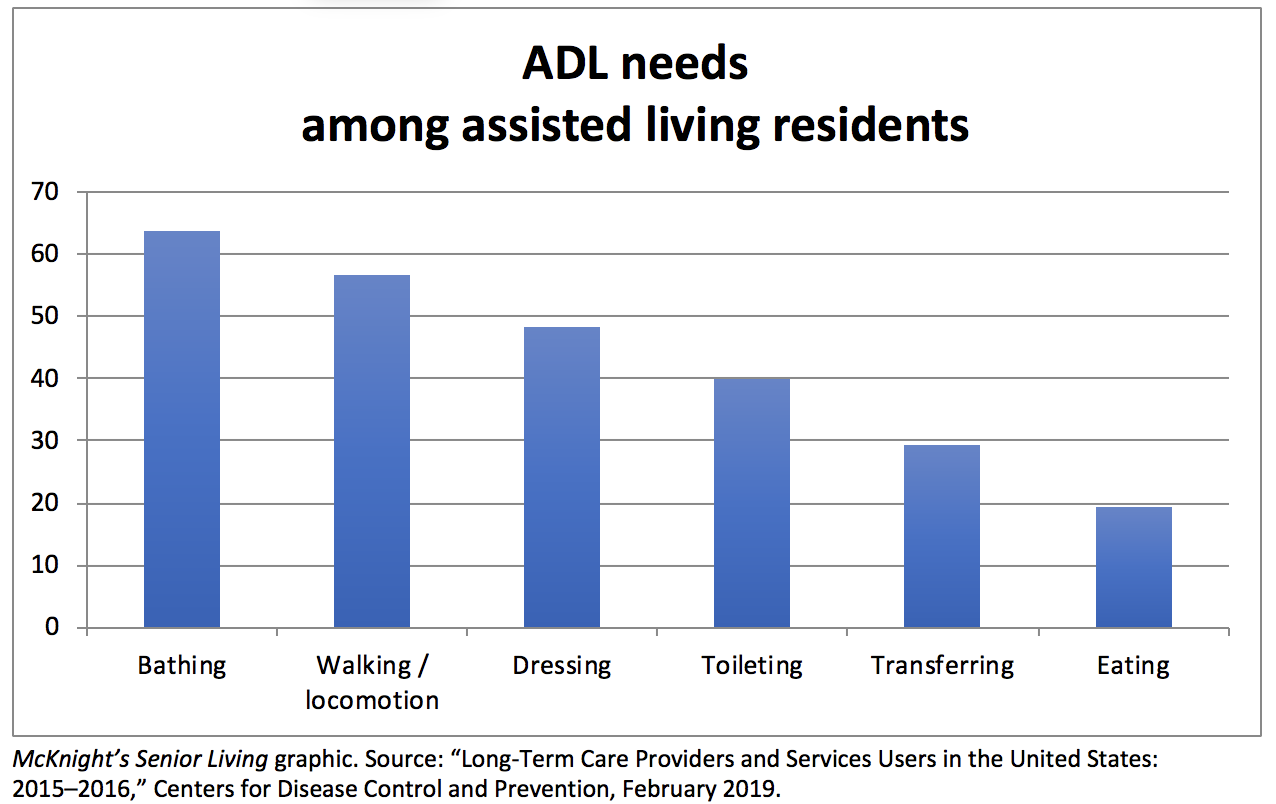 For too many years, high quality data about care of seniors has been elusive. Lack of standardization of technology platforms – or lack of care platforms altogether – hobbled the care industries -- senior living, home care, home healthcare. Yet the merger and acquisition of companies in other industries ultimately results in consolidation of data. Platforms matter—they enable data standardization which in turn fuels growth. Consider Jet Blue’s interest in buying Spirit, getting planes and pilots(infrastructure) that match its current business. Consider Optum’s acquisition of Amedisys home health business. Note its 2015