PORT SAINT LUCIE, FL, UNITED STATES, June 4, 2025 /EINPresswire.com/ -- The home care industry is facing a crisis. Driven by demographic shifts, longer life expectancy, and rising rates of chronic illness and cognitive decline, the demand for in-home personal care and home health care is surging. This will accelerate as the baby boomers age into their later years – in January, the oldest of the 76 million baby boomers will turn 80.
The home care industry is facing a crisis. Driven by demographic shifts, longer life expectancy, and rising rates of chronic illness and cognitive decline, the demand for in-home personal care and home health care is surging. This research report shows how AI tech is playing a role in care oversight and enabling the creation of hybrid care models – an increasingly likely combination of in-person care supplemented with AI.
Future staffing demand will force industry to rethink care strategies. According to BLS, the industry will need 4.5 million care workers by 2029 to meet the demands of older adults.According to an Argentum staffing report, in 2025 alone another 347,000 caregivers are needed for memory care. The home care and senior living industries draw from the same population of prospective workers. Home care and home health care demand will drive 21% job growth by 2033, but 59% of agencies will experience shortages. What else will help address care needs?
Lifespan versus healthspan – a worrisome difference of 12.4 years in the US. While many older adults may live longer, well into their 80’s, they may be living with chronic diseases such as diabetes, heart disease and cancer. That difference, known as healthspan, may be as much as 12.4 years in the US, the worst globally, according to a 2024 Mayo Clinic global study. Future staffing demand will force industry to rethink care strategies. According to BLS, the industry will need 4.5 million care workers by 2029 to meet the demands of older adults.According to an Argentum staffing report, in 2025 alone, another 347,000 caregivers are needed for memory care. The home care and senior living industries draw from the same population of prospective workers. Home care and home health care demand will drive 21% job growth by 2033, but 59% of agencies will experience shortages.
Executives see the possibilities for AI in home care. Home care and home health care are labor intensive industries. Hands-on work is historically preceded and followed by paper-based documents and tracking tools. However, it is increasingly likely that home care companies will move quickly past ‘Year One’ of AI as the labor-saving benefits are seen and realized. Interviewees, including agencies and tech firms, note the changes underway. Some are engaged in various pilot projects of AI-enabled tools, others are doing implementations, still others are already deployed. For example, report discussions surfaced the following:
Some subjects are perennials – like robots for older adults. Here we go again. This must be in some Fast Company editor’s standing list of topics – nothing else to write about so let’s do the robot-for-older-adults article again, this time written by futurists, comparing AI tech to physical robots – and asking real older adults what they think. You have to hand it to the interviewees – they know this is not a ‘robots’ topic. And they recognize ‘Advisor’ capability that already exists in Siri and Alexa – and that it is improving, though not (yet?) helping with human connections and isolation.
The more things change – some trends dominate. As the demographics change, couples age at different rates, life expectancy grows among the 65+ --averaging 20 more years, the oldest population growth rate outpaces younger demographic segments. As the oldest baby boomer crosses 80 in the next few months several trends will drive technology adoption in distinctly new ways. As a result, the market for tech will need to accommodate a series of changes, sales methodologies and market opportunities. A worsening labor shortage will continue to plague the senior care sectors, including senior living, nursing homes, and in-home care. What are the drivers that should attract innovators in the older adult tech industry?
Home care is a labor-intensive business. And as everyone can see, labor is increasingly a scarce resource, likely to seem ever more scarce -- as the boomers age into their 80’s and beyond, their population outpacing the growth of the care workforce. While there are many articles that will describe the 'aging tsunami' and worrisome lack of workers to care for the oldest, few technology solutions have entered this market up to now. How can AI tools participate appropriately in home care and home healthcare? What are some of the circumstances that make this the right time to consider? And what are examples that indicate potential? Suggestions of offerings and interviewees are welcome.

 Future staffing demand will force industry to rethink care strategies. According to BLS, the industry will need
  Lifespan versus healthspan – a worrisome difference of 12.4 years in the US. While many older adults may live longer, well into their 80’s, they may be living with chronic diseases such as diabetes, heart disease and cancer. That difference, known as healthspan, may be as much as 12.4 years in the US, the worst globally, according to
 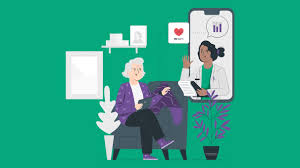 Executives see the possibilities for AI in home care. Home care and home health care are labor intensive industries. Hands-on work is historically preceded and followed by paper-based documents and tracking tools. However, it is increasingly likely that home care companies will move quickly past ‘Year One’ of AI as the labor-saving benefits are seen and realized. Interviewees, including agencies and tech firms, note the changes underway. Some are engaged in various pilot projects of AI-enabled tools, others are doing implementations, still others are already deployed. For example, report discussions surfaced the following:
 Some subjects are perennials – like robots for older adults. Here we go again. This must be in some Fast Company editor’s
  Home care is a labor-intensive business