Is aging in place a smart strategy? Here we go again. In a brand new and similarly rosy article in the Wall Street Journal, more of the same mediocre advice is offered about how to prepare. Have a frank talk with family members. Maybe do some home modifications (those rickety stairs? Or a $20,000+ elevator), or address that lengthy distance from a supermarket? Maybe the 3-4% of older adults with long-term care insurance will pay for home care that averages $24,000/month for round-the-clock care. Hmmm. Or voice-activated devices, says an AARP exec, will be helpful for his long-distance aging parents. Says a family, we want Mom to stay in her house, and so we pay $4000 per month for care, because staying in her house is keeping her alive. Really.
Aging in place -- sounds good, but for many, it won't work. The optimistic older adulta like their home -- and they tell survey firms that they're going to stay. We've heard this before. Ironically, in those days, it may have been a practical idea -- but as older adults age into the years in which they need care, the rising cost of the care they need may outpace their ability to pay, so what then? Family members help out if there are any, if they can, if they're nearby, and if they are willing. A lot of ifs. For the rest, we are entering a period in which more creative options will be needed and some old words, like 'roommates' and 'co-housing' will resurface.
You know homeowners plan to ‘age in place’ – repeated across all surveys. It makes sense to them – they like their homes, locations, their familiar neighborhoods, shops, their friends, and neighbors. Statistics underpin the goal for 93% of adults 55+. And they are willing to spend on services to enable them to remain there – home security, food and supplies delivery, and transportation services if they choose to or must go places without driving. They have fueled growth in the home remodeling businesses, spending on bathroom modifications and other aging-related enablers, especially home care – which may be an out-of-reach luxury for many.
The 2024 Technology and Aging Market Overview is online. It provides new information and insights about trends that drive technology change for the older adult marketplace. They represent the context for understanding new technologies discussed and featured in the report. This year is in many ways unusual -- the oldest baby boomer turns 78, AI investment and interest reached fever pitch, and the annual CES show had its highest turnout, with AI everywhere since 2020. These trends include the possible future role of AI, that can help address workforce issues and provide benefit over the coming months and years:
The 2024 Market Overview of Technology for Aging will be published during CES 2024. As part of that update, it is worth considering changes that occurred in the past year that matter to older adults and families. Caregiving and other demands of an aging population gained significant government attention and new initiatives during 2023. While some of the actions below will require further funding action from Congress, all of these represent forward momentum for long-needed changes. It is likely that technology enablement and access will be components of each of the initiatives as they evolve. Categories include:

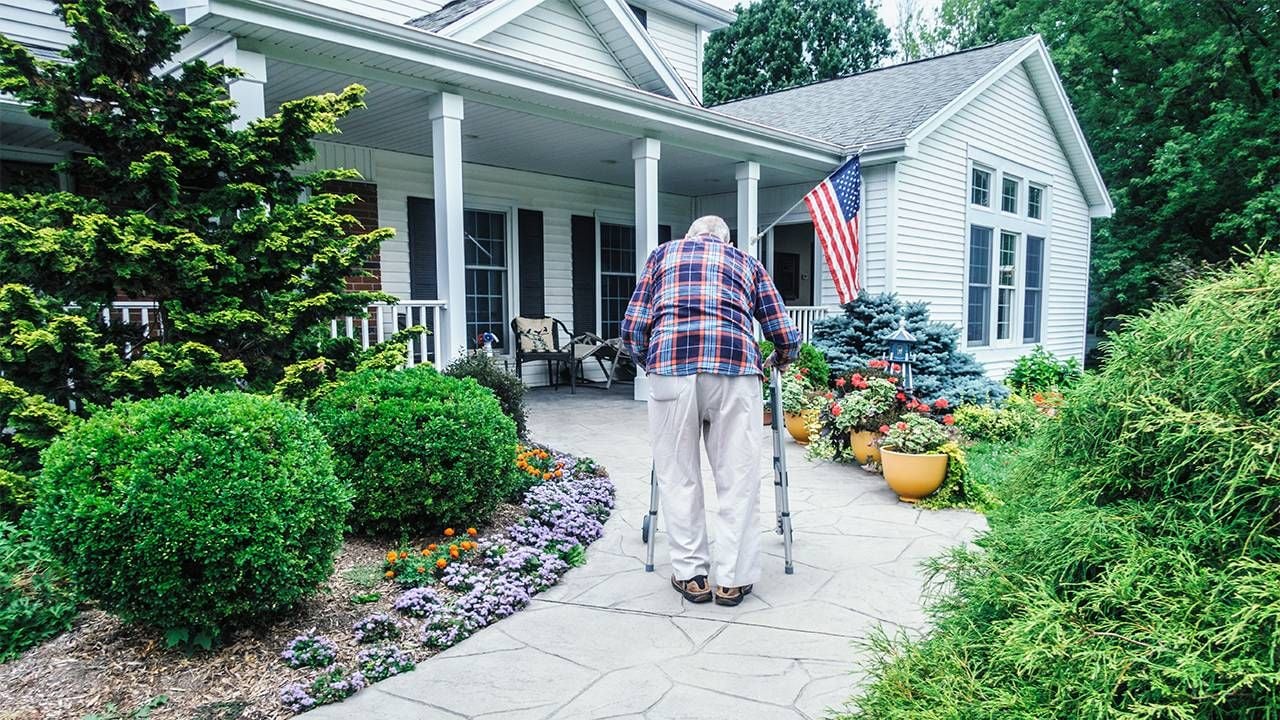 Is aging in place a smart strategy? Here we go again. In a brand new and similarly rosy
  You can read about AI -- it's discussed everywhere. Searches reveal the many
 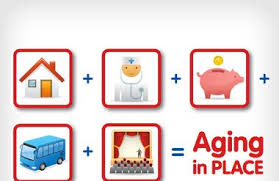 Aging in place -- sounds good, but for many, it won't work. The optimistic older adulta like their home -- and they tell survey firms that they're going to stay. We've heard this before. Ironically, in those days, it may have been a practical idea -- but as older adults age into the years in which they need care, the rising cost of the care they need may outpace their ability to pay, so what then? Family members help out if there are any, if they can, if they're nearby, and if they are willing. A lot of ifs. For the rest, we are entering a period in which more creative options will be needed and some old words, like 'roommates' and 'co-housing' will resurface.
 You know homeowners plan to ‘age in place’ – repeated across all surveys. It makes sense to them – they like their homes, locations, their familiar neighborhoods, shops, their friends, and neighbors.
  T
T