Social isolation has become an insidious problem among older adults. It’s at the point where the surgeon general recently declared it to be a serious health risk: "29% increased risk of heart disease, a 32% increased risk of stroke, and a 50% increased risk of developing dementia for older adults. Additionally, lacking social connection increases risk of premature death by more than 60%. Certainly one factor is the growth in the number of older adults living alone, including 44% of women aged 75+. Technology’s role in mitigating it is being studied in research programs and healthcare. In one study of studies, the authors concluded that while it seems apparent that it can be helpful, specific technologies were not studied separately. In another pilot program, Talking Tech, participants were surveyed as being less lonely following increased technology literacy and access to tools to connect with others and boost social interactions. And in New York State, the rollout of AI companion robot ElliQ to 800 seniors reportedly resulted in a "95% reduction in loneliness."
Always Best Care Senior Services, one of the leading senior care franchise systems in the United States, announced today the launch of a 24/7 AI Virtual Care Agent by Sensi.Ai to be available to its franchisees nationwide this month. This audio-based AI technology developed specifically for in home non-medical care environments analyzes physical, cognitive, and emotional events and trends around-the-clock, providing data-based insights and recommendations on the health and safety of our clients.
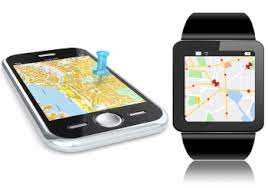
NEW YORK CITY, N.Y. —OneStep, an FDA-listed medical app that uses smartphone motion sensors to provide immediate, clinically-validated feedback on gait and mobility, today announced its expansion into older adult communities such as skilled nursing facilities (SNFs) and senior living communities (SLCs) throughout the United States.
You may not have noticed much about the death of landlines. But it has been underway for a while, and now the government is supporting their demise. For some time now, telephone companies like AT&T have been trying to eliminate landlines and are no longer required to maintain these copper connections. You probably think, well that must be good, because those landlines cost as much as $55/month. So that’s a cost savings, right? But wait.
New progress for dementia care.Home Care Magazine provided details about the just-announced Dementia Care policy changes, called theGUIDE Model, including care coordination services, support and payment to family caregivers to help keep care recipients out of nursing homes, as well as obtain respite help. This is an 8-year program, and a part of the CMS Innovation initiatives. Notably, the GUIDE Model currently does not note or suggest any of the available technology, including home automation, that could improve dementia care. So here are five new technology offerings or update announcements, information from company websites or news media, that may help in the care of those with dementia:
ALBANY, N.Y., Aug. 1, 2023 /PRNewswire/ -- The New York State Office for the Aging (NYSOFA) and Intuition Robotics today announced a continuation of their unique partnership and new data showing the efficacy in providing AI companionship to older adults in New York State, including a 95% reduction in loneliness and high levels of engagement.

 You may not have noticed much about the death of landlines.
  New progress for dementia care.