ASON, Ohio, Sept. 2, 2021 /PRNewswire/ -- Link-age Connect, the market intelligence arm of the three interconnected companies of Link-age, today announced the release of a new report: 2021 Technology Study, Older Adults Age 55-100. The study, conducted from April to June 2021 during the COVID-19 pandemic, provides a comprehensive look at technology use of adults aged 55 to 100, with nearly 93% of the 2,398 respondents falling between ages 70 and 100.
August should have been a sleepy month – but no. Multiple interesting acquisitions during August make tech and older adults intriguing. Early in the month, the largest franchised home care company (Home Instead) was acquired by a tech upstart, Honor – to ‘scale up home care’. Connect America, which had already acquired the 'aging and caregiving business of' Philips Lifeline, then acquired a remote patient (RPM) monitoring startup and AI-virtual assistant company called 100plus. Investor interest in age-tech startups is growing, older adults are certainly aging – synergy between these phenomena will certainly follow. The blog posts for August:
It’s a slog searching for data about tech adoption of older adults. So many years of searching and trying to understand gaps in adoption, less and less usable data. Survey organizations exist that track adoption by age (think Pew Research, Nielsen, AARP) – but the frequency with which they publish surveys about technology has diminished over the years. Checking out the main page of Pew, for example. See how so many other topics are more click-worthy than their Internet and Technology material. AARP’s tech surveys are annual – and this year slipped into April. Others like Forrester, Gartner, and Parks Associates survey, but do very little analysis based on age.
June was a short, but pivotal month for aging and health. Months of research with executives from 27 organizations resulted in the completion of new report, The Future of Wearables and Older Adults 2021. It was presented on a panel at The What’s Next Longevity Venture Summit in June with 3 of the interviewees, Dr. Hon Pak of Samsung, Jeff Ray of Omron, and Mark Gray of Constant Companion. Although current adoption is relatively low, the future of wearables has great potential for older adults, particularly in alerting to health issues between visits to the doctor. June was a season for new health-related product announcements from Apple and an oddity of an announcement from Amazon. Also during June, preliminary research has begun on another, potentially connected, future report topic about Smart Homes and older adults. Here are the four blog posts from June:
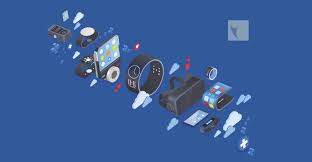
Wearables are nothing new – except in how they are used. The Quantified Self movement, coined as a term in Wired in 2007, simply described the growing interest in tracking those personal characteristics that could be recorded and analyzed by the user of wearable technology. From activity trackers that gained popularity in the past decade, to introduction of smart watches by Apple in 2015, the adoption of wearables by older adults has continued to grow. New products fuel interest about their potential for older adult health-related benefit, such as the Oura Ring, the Apple Watch Series 6 and the Samsung Galaxy Watch 3 Active, or the Bose SoundControl hearing aid.

 August should have been a sleepy month – but no.
  It’s a slog searching for data about tech adoption of older adults. So many years of searching and trying to understand gaps in adoption, less and less usable data. Survey organizations exist that track adoption by age (think Pew Research, Nielsen, AARP) – but the frequency with which they publish surveys about technology has diminished over the years. Checking out the main page of
  June was a short, but pivotal month for aging and health. Months of research with executives from 27 organizations resulted in the completion of new report, The Future of Wearables and Older Adults 2021. It was presented on a panel at
  Smart home tech – if it can be invented, it has been. It is the ultimate tinkerer’s fantasy, something from an ‘Open the Pod Bay Doors, Hal’ future. As we signal our car’s arrival on the street near our house, the home’s