TALLINN, Estonia, August 18, 2026. Sugar Sense, a continuous glucose monitor (CGM) companion app built by a small independent team led by a founder who has lived with type 1 diabetes for more than 12 years, now puts real-time glucose readings on more screens than any diabetes app its team knows of, including the Amazon Echo Show in the kitchen and the phone of an adult child living in another city.
Older adults are clearly more tech proficient today… On the positive side, data sources show that older adults are more proficient today than in years past – why? Because of necessity. Consider smartphones and enabling apps, software like FaceTime, social media tech, and TV remotes. It is nearly impossible to function at all without these skills. They can be discovered through trial and error – or training can be found to help. These options include online, video, or live classes including GetSetup, Senior Planet, CyberSeniors, IBM SkillsBuild for Seniors,Senior Tech Connect and many more. But the more capable all become, the more new tech they encounter.
Today's baby boomer is open to monitoring his or her own health. The population aged 62-80 are increasingly likely to own smartphones, smart watches, Wi-Fi in the home and other tech, such as hearables and chronic disease tracking tools. They may have hearing or vision limitations that could be assisted with new technology. They may have family members who are also interested in their wellbeing. A large number them may be solo agers, divorced, widowed and living alone or a long distance from family. The majority will remain in their own homes for as long as is feasible.
Some baby boomers check their personal data on smart watches or their phones regularly. They track their activities, tolerate the reminders to stand, wishing to do better than they did last week or last month. Maybe they stand on an ever-smarter weight scale – or go off to the gym to work out in groups or alone. Why? Maybe they are women (unaddressed at CES 2026) who worry about bone loss, have a justifiable fear of falling, or have already fallen. Why don’t more than 26.9 % of women do strength training, to build muscle around bone to protect themselves in the event of a fall?
The AARP survey of ‘Jobs to be Done’ by AI shows readiness for health-related AI. Health-related opportunities were cited – medication tracking, personalized wellness guidance, and active living reminders. At the same time, the report asserts that adoption depends on trust, customization and integration into day-to-day life. What stands between today’s AI offerings and that next stage of adoption, which will be dependent on our trust of the technology.
We’re introducing ChatGPT Health, a dedicated experience that securely brings your health information and ChatGPT’s intelligence together, to help you feel more informed, prepared, and confident navigating your health.

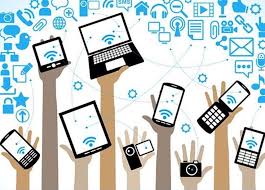 Older adults are clearly more tech proficient today… On the positive side, data sources show that older adults are more proficient today than in years past – why? Because of necessity. Consider smartphones and enabling apps, software like FaceTime, social media tech, and TV remotes. It is nearly impossible to function at all without these skills. They can be discovered through trial and error – or training can be found to help. These options include online, video, or live classes including
  Today's baby boomer is open to monitoring his or her own health. The population aged 62-80 are increasingly likely to own smartphones, smart watches, Wi-Fi in the home and other tech, such as hearables and chronic disease tracking tools. They may have hearing or vision limitations that could be assisted with new technology. They may have family members who are also interested in their wellbeing. A large number them may be solo agers, divorced, widowed and living alone or a long distance from family. The majority will remain in their own homes for as long as is feasible.
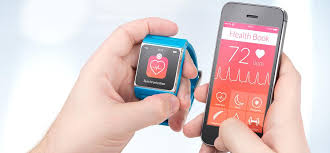 Some baby boomers check their personal data on smart watches or their phones regularly. They track their activities, tolerate the reminders to stand, wishing to do better than they did last week or last month. Maybe they stand on an ever-smarter weight scale – or go off to the gym to work out in groups or alone. Why? Maybe they are women (unaddressed at CES 2026) who
  The AARP survey of ‘Jobs to be Done’ by AI shows readiness for health-related AI. Health-related opportunities were cited – medication tracking, personalized wellness guidance, and active living reminders. At the same time, the report asserts that adoption depends on trust, customization and integration into day-to-day life. What stands between
  January 2026 marks a notable milestone for senior care. In a few weeks, the oldest baby boomers begin to turn 80-- with a