As the pace of inevitable tech change collides with an aging demographic, companies will again seek user input as to what works, what is too much, and how best to utilize tech that can help older adults obtain what they need. This will be particularly required in healthcare, with an aging population consuming more time and needing more care. Accessibility features will simply become technology features, ending the distinction in time for this population to use tech that is optimized for them.
Aging in place -- sounds good, but for many, it won't work. The optimistic older adulta like their home -- and they tell survey firms that they're going to stay. We've heard this before. Ironically, in those days, it may have been a practical idea -- but as older adults age into the years in which they need care, the rising cost of the care they need may outpace their ability to pay, so what then? Family members help out if there are any, if they can, if they're nearby, and if they are willing. A lot of ifs. For the rest, we are entering a period in which more creative options will be needed and some old words, like 'roommates' and 'co-housing' will resurface.
Publicly available up-to-date stats about the older adult population is weak or non-existent. The most recent version of ChatGPT admits it cannot state the current population in the US that is aged 75+. Nor can Google. This is somewhat surprising, given the angst in business and market predictions about the aging of the US population and the potential doom that it portends. But anyway, the answer is buried in Census tables. Would you be surprised to learn that there are 25.7 million people aged 75+ today? That 14.8 million are women and 10.8 million are men? Would it surprise that 42% of the 65+ population (60.5 million) is aged 75+?

 You can read about AI -- it's discussed everywhere. Searches reveal the many
 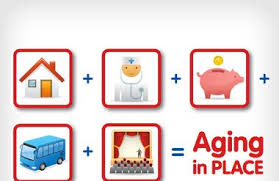 Aging in place -- sounds good, but for many, it won't work. The optimistic older adulta like their home -- and they tell survey firms that they're going to stay. We've heard this before. Ironically, in those days, it may have been a practical idea -- but as older adults age into the years in which they need care, the rising cost of the care they need may outpace their ability to pay, so what then? Family members help out if there are any, if they can, if they're nearby, and if they are willing. A lot of ifs. For the rest, we are entering a period in which more creative options will be needed and some old words, like 'roommates' and 'co-housing' will resurface.
 Publicly available up-to-date stats about the older adult population is weak or non-existent. The most recent version of ChatGPT admits it cannot state the current population in the US that is aged 75+. Nor can Google. This is somewhat surprising, given the angst in business and market predictions about the aging of the US population and the potential doom that it portends. But anyway, the answer is buried in Census tables. Would you be surprised to learn that there are 25.7 million people aged 75+ today? That 14.8 million are women and 10.8 million are men? Would it surprise that 42% of the 65+ population (60.5 million) is aged 75+?