Technology has enhanced the world for those with vision limitations. As many as 50 million Americans have some degree of vision loss -- a problem that was poorly addressed by technology prior to the arrival of smartphone navigation, smart glasses, sensors, robotics and AI in nearly all devices and technologies. Today, it's a whole new and innovative world -- supportive of individuals with a range of vision limitations from low vision to completely blind. And in fact, today those who are blind can use haptics to follow a game in real time, even in a stadium. They can create presentations from data sets, read road signs down the road, navigate airports and safely make their way through obstacle-filled streets. Here are five technology enablers that will likely make a difference:
AI has innovative solutions that enhance health management, safety, social engagement, cognitive support, and personalized care for seniors in retirement.
The month of May -- and the hostility about AI overflowed.Given the pace of change in AI technology – both the software and its rate of adoption – it’s curious that recently the Wall Street Journal published an aging survey about what customers don’t use and/or like about chatbots. These observations include the usual: ‘hallucinated’ answers; lack of customer awareness that they are talking to a chatbot (really???); the chatbot is too nosy. Or it asked too many questions; or couldn’t handle two questions. Which would make this article, like much of media coverage of AI, sound negative. Too late, adoption happened anyway. This is a commentary, perhaps, on the nature of news media in general, who either are mirroring the AI skepticism in the public, or more typically promoting it. But clearly with chatbot adoption, the public is paying new attention. Sigh. Here are the four blog posts from May, 2024:
It’s 2024 -- chatbots, yuck? Given the pace of change in AI technology – both the software and its rate of adoption – it’s curious that recently the Wall Street Journal published an aging survey about what customers don’t use and/or like about chatbots. These observations include the usual: ‘hallucinated’ answers; lack of customer awareness that they are talking to a chatbot (really???); too nosy. Or it asked too many questions; couldn’t handle two questions. Which would make this article, like much of media coverage of AI, sound negative. Too late, adoption happened anyway. This is a commentary, perhaps, on the nature of news media in general, who either are mirroring the AI skepticism in the public, or promoting it. But clearly with chatbot adoption, the public is paying new attention.
As the year progresses, the older adult population gets the innovators' attention. As it should be, given the swelling older adult market, growing visibility with investors, and increasing attention from the federal government. Rock Health break out the 65+ in its surveys of health tech ownership. Surveys show that Americans prefer to age in their own homes, also known as aging in place. Pew Research notes that the Centenarian population will triple in the next 30 years, baby boomers are hitting ‘peak 65’ this year, and in just six years, all 72 million baby boomers will be 65+. Within that context, it will continue to be important to note new innovations that could improve their quality of life, such as:
ehavioral tech platform Rippl has acquired a startup aimed at providing information and services for dementia caregivers in its ongoing quest to broaden and deepen its memory care-related services.
Rippl acquired the startup, Kinto, in last month. Terms of the deal were not disclosed.
In the coming months, Rippl will integrate technology developed by Kinto from the last two years to improve Rippl’s virtual patient and family experience, according to Rippl co-founder and CEO Kris Engskov.

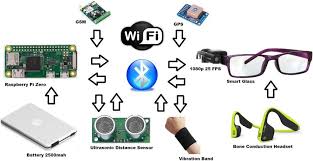 Technology has enhanced the world for those with vision limitations. As many as 50 million Americans have some degree of vision loss -- a problem that was poorly addressed by technology prior to the arrival of smartphone navigation, smart glasses, sensors, robotics and AI in nearly all devices and technologies. Today, it's a whole new and innovative world -- supportive of individuals with a range of vision limitations from low vision to completely blind. And in fact, today those who are blind can use haptics to follow a game in real time, even in a stadium. They can create presentations from data sets, read road signs down the road, navigate airports and safely make their way through obstacle-filled streets. Here are five technology enablers that will likely make a difference:

 It’s 2024 -- chatbots, yuck? Given the pace of change in AI technology – both the software and its rate of adoption – it’s curious that recently the
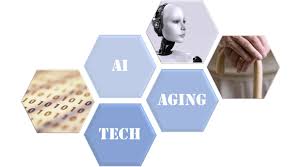 You can read about AI -- it's discussed everywhere. Searches reveal the many
 As the year progresses, the older adult population gets the innovators' attention. As it should be, given the swelling older adult market, growing visibility with investors, and increasing attention from the federal government. Rock Health break out the
