Wearables are nothing new – except in how they are used. The Quantified Self movement, coined as a term in Wired in 2007, simply described the growing interest in tracking those personal characteristics that could be recorded and analyzed by the user of wearable technology. From activity trackers that gained popularity in the past decade, to introduction of smart watches by Apple in 2015, the adoption of wearables by older adults has continued to grow. New products fuel interest about their potential for older adult health-related benefit, such as the Oura Ring, the Apple Watch Series 6 and the Samsung Galaxy Watch 3 Active, or the Bose SoundControl hearing aid.
Not your mother’s pendant or your father’s blood pressure cuff. Today’s wearables, adopted by only a small percentage of older adults, have possibilities for helping many. Research interviews for The Future of Wearables and Older Adults 2021 report, published in June, show notable change in this market. Wearables today have moved beyond the PERS pendant functionality so long marketed to older adults. Today’s devices, whether on ear, hand, or wrist, may incorporate AI, enable personalization, track multiple health attributes, notice change, predict future issues, or even provide guidance for suggested health improvements. Here are five examples discussed with their execs in research interviews -- all content comes from the company website or reviews:
LAFAYETTE, Calif., May 3, 2021 /PRNewswire/ -- Mary Furlong & Associates (MFA) announces its annual What's Next Longevity Venture Summit June 16-17 and the $10,000 Business Plan Competition. Now in its 18th year, the original thought leader conference focused on the longevity economy attracts more than 400 investors, entrepreneurs and other experts at the intersection of aging, technology and investment. The virtual event offers an online learning and networking experience with leading authorities on the future trends in the $8.3 trillion U.S. longevity economy.
First the ‘good news’ about tech adoption… According to AARP’s newest technology adoption report, just published, older adults are positive about the role technology can play in their lives during and after Covid-19. They are chatting via video, using social media livestreams and modernizing their technology. They are buying smart TVs, costly smartphones, and earbuds. The survey reports that 20% of the 70+ age range owns a wearable, possibly a smartwatch. Also notable, considering that most wearables are still paired with them, smartphone ownership, according to this survey, has risen most sharply among those aged 70+, with 77% of responders indicating they own one. This is a number worth questioning, however, since Pew Research's most recent mobile fact sheet indicates that only 61% of the 65+ have smartphones.

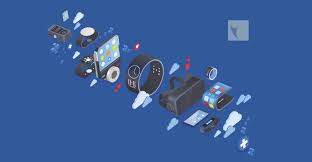
 Not your mother’s pendant or your father’s blood pressure cuff. Today’s wearables, adopted by only a small percentage of older adults, have possibilities for helping many. Research interviews for
  First the ‘good news’ about tech adoption…