
The reality feels more like a high-tech band-aid on a profoundly human problem.
10/22/2026
New AI-powered apps and gadgets are built for older adults at home.
09/30/2026
Adults aged 50+, however, did not share this assertion.
09/22/2026
Policy recommendations for addressing weaknesses in AI and how government is deferring to companies.
09/10/2026
Why senior living's first attempt at using robots was a flop.
 Rant on. Signing on to my bank account on a computer – there is that
 Technology trackers, don't quit your day job yet. But forward motion is detectable. Asked: "What AI technologies are available today to help older adults?" Learning about the interpretation of the question and the selection of responses is interesting. The result of good PR from the companies named? How should marketers view content creation in this new world? Does it depend on a loose definition of what is AI? All of the above? It's a good idea that intermediaries will be required to assess the utility of the responses and the offerings that present them, at least in the short term. But here are answers:
 These two letters, AI, have risen to top of tech talk and media minds.
  Parks Associates' update this week is illuminating. In offering up a
  Can tools like ChatGPT and DALL-E be helpful to older adults?
 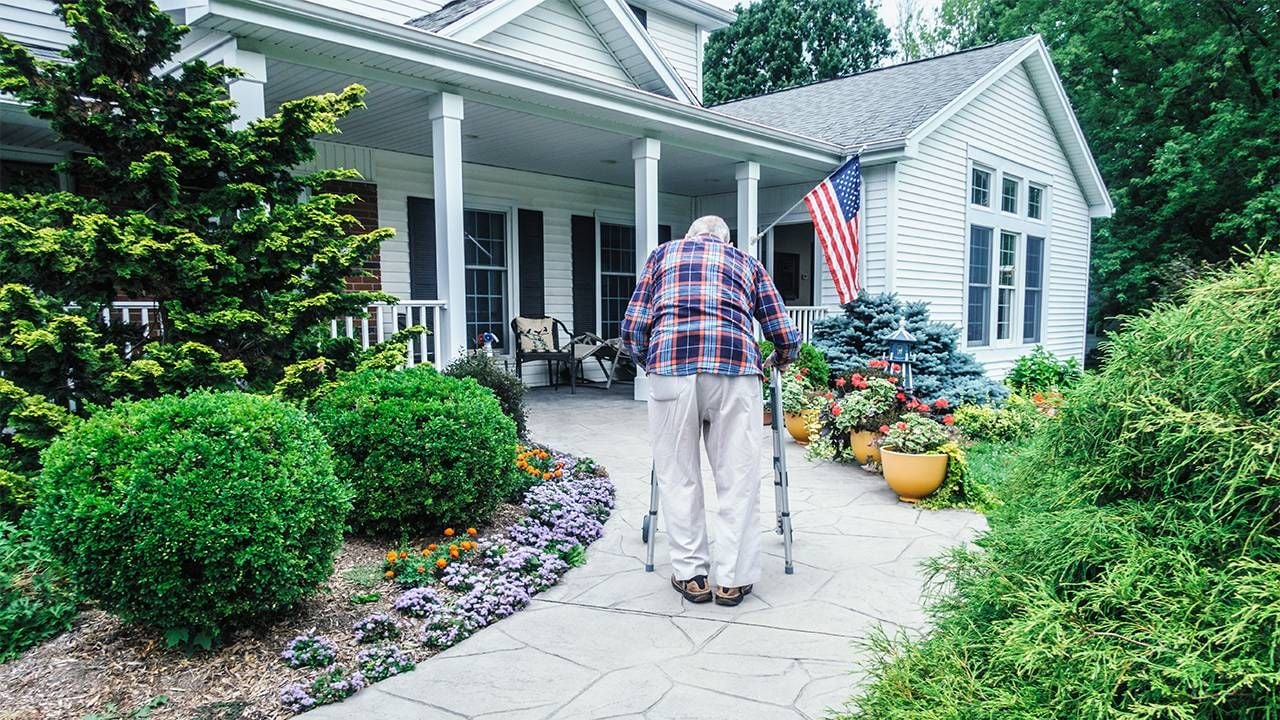 The articles and tech industry focus on ‘aging in place’ and fear. And it’s not unlike the ‘I’ve Fallen and I can’t Get Up’ fear.
  2023 begins with so many announcements, so little time. The first big event, CES 2023, brought multiple startups and stalwarts to Las Vegas. Ironically, it was not the big tech news of the month – eclipsed by an OpenAI introduction that had appeared in November, but was suddenly noticed
  Technology solutions augment care – not replacing family or support. The categories of technology offerings help older adults age successfully and include independent market segments – each useful – but together, they complete a puzzle for a fulfilling and interactive life for older adults, enabled with the support of families and caregivers and include the sub-categories as shown in the examples at the end of the
  To reach older adults and their families, one go-to-market channel is not enough. Depending on the product or service, it may need a mix of resellers/distributors, face-to-face, and online sales. The