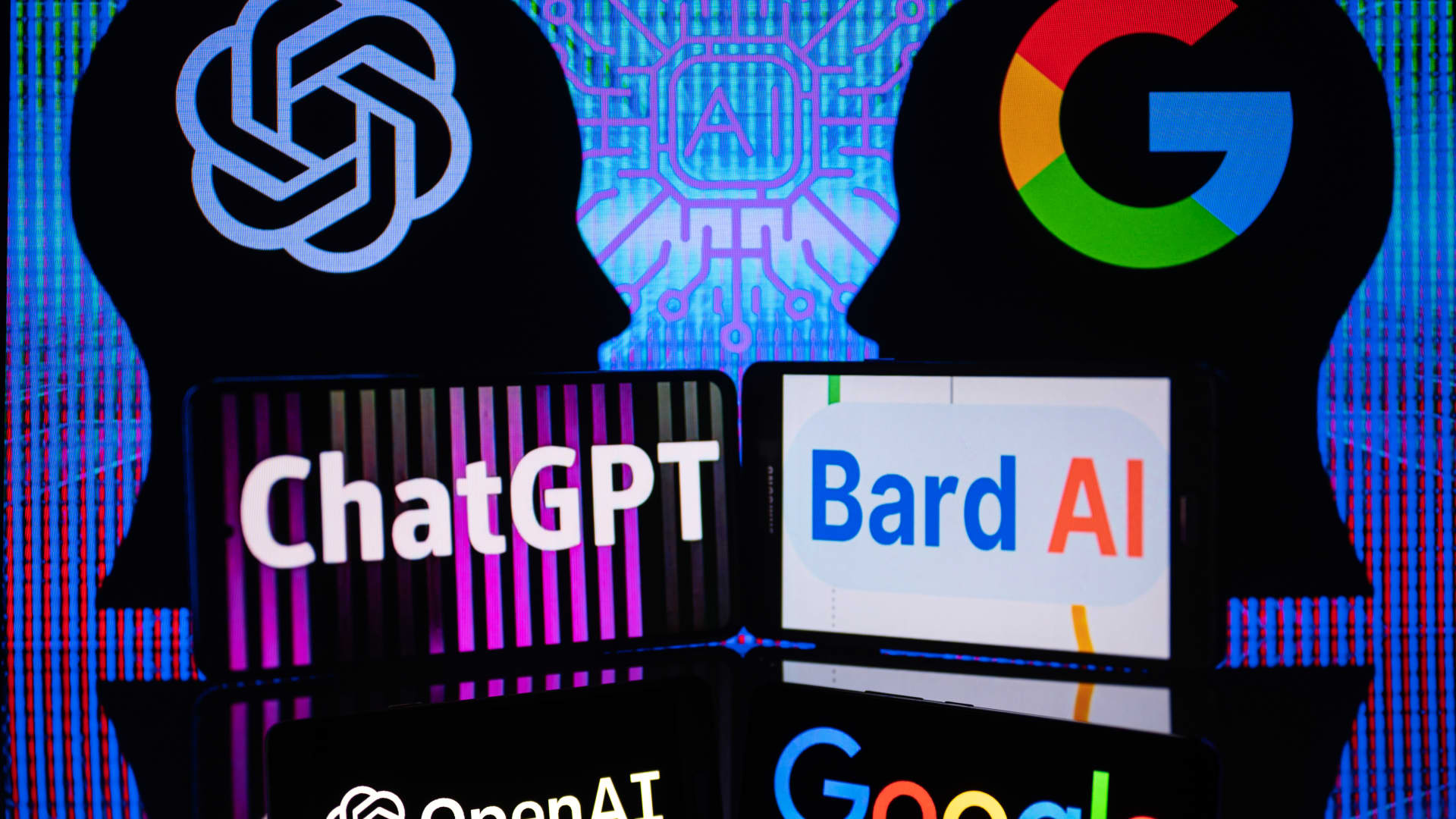
 The AI hype cycle is distracting everyone. That is inclusive of very large companies. And doubts continue to emerge in the media that make it seem like we are in the slough of despond, otherwise known as the low point of the Gartner Hype Cycle. Note the concerted efforts to find and publicize deficiencies and mistakes, reinforcing the premise that it is too early for benefits across industries like senior living or home care. But it’s not too early, as the new report, The Future of AI and Older Adults 2023, points out through interviews with those deploying conversational AI and machine learning technology today. And from the other May blog posts:
Wondering if there's any news about AI? Just from yesterday, May 3, 2023 – that list goes on and on. MIT Technology Review packs all the AI news that’s fit to pack into an up-to-the-minute digest. Stanford provides the State of AI in 14 Charts. The New York Times explains for the uninitiated. So does the Wall Street Journal. In the world of hype for those who have followed the tech industry, the phrase ‘greatest thing since sliced bread’ comes to mind. But narrowing the focus on the world of older adults, the possibilities are impressive.
A Decade Later: The more things change in the PERS/medical alert industry… Long ago (10 years, to be exact), a survey report plus future market predictions was published. From website review, the cash cow world of medical alert devices and recurring revenue appears from the outside to be largely unchanged. On the LifeAlert website, the woman is still falling and can’t get up. Medical Guardian also informs that every 11 seconds, 1 in 4 Americans aged 65+ experience a fall-related injury. The National Council on Aging site, NCOA features medical alert vendor comparisons in which the vendor earns a commission if purchased through the site. Vendors still claim a that market penetration is still low, that only 8% of seniors believe they need such a device, a helpful persuasion tactic to motivate security dealers and retailers.
AI and older adults – powerful if enabled. There are few limits to the possible benefits of AI in its many forms, conversational, generative, Chatbots and more. Some say that we are in The Golden Age of AI. But constraints faced now and in coming years are beginning to emerge from public and political debates about privacy, ethics and proposed regulation. They will be coupled with the lagging pace of institutions, particularly healthcare, to change aging systems that can help realize the benefits. Within five years, however, it is inevitable that the role of this tech revolution in our lives and those of older adults will enable changes in society’s focus, occurring in and across multiple domains.
The splintering of interaction tools hobbles us. Now let’s see -- will it be conducted in Zoom, Teams, Google Meet, Webex, GoToMeeting or something else? Will the meeting invite be visible to my calendar, which has Google’s 500 million users – or do I need to place myself on the calendar of the person who asked to speak with me (10 million users) and request that it also be sent to my calendar? Will it be a short Zoom meeting, cut off abruptly at 40 minutes because the participant leading only has the free version? Or will it be a conference-specific event management technology in which all interactions will be buried inside the must-look-at software?