
Tech can help with filling caregiving gaps and easing minds as America ages rapidly.
04/18/2026
The government delayed an overhaul to how it calculates Medicare Advantage payments.
04/14/2026
The robots are here. The transformation is still somewhere in the future.
03/09/2026
CrossSense is one example of an assistive AI technology being developed by a co-operative in London.
03/08/2026
Helping them with their digital activities when user interfaces are constantly changing.
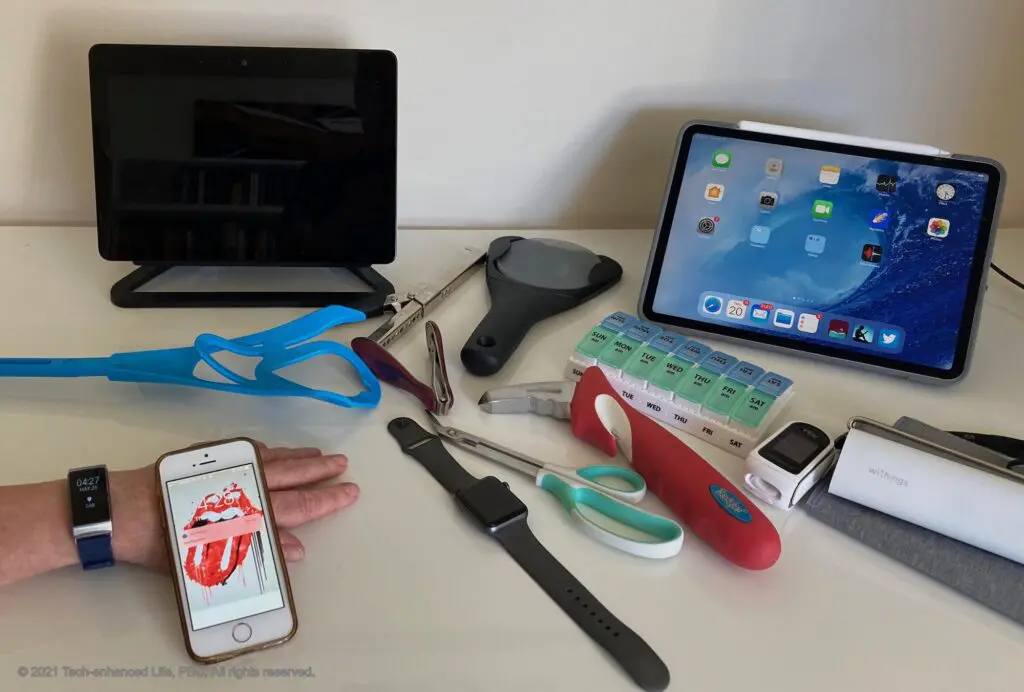 It’s a pretty good tech universe if you know what you’re doing... Maybe you’re someone who reads all the
  We are selling a product that people don’t want to buy. This Senior Housing News article,
  Clearly many caregivers are missing out on useful technology. According to the new
  The University of Michigan polled older adult responders – and the results are in. In a recent survey of more than 1000 adults aged 50+, the University of Michigan poll, fielded inside Michigan and nationwide, demonstrates that Artificial Intelligence technology is useful to older adults – and that they are not intimidated by it. As with other studies, those with less education had somewhat less trust in AI-enabled information, and those with health disabilities also were somewhat less trusting of the information they found. (Source: July, 2025
  This report is published every five years – and it is (still) dismaying. The new report,
  AI technology is permeating every aspect of business technology today. Increasingly it will be deployed in the care of older adults, as apparent in research reports like