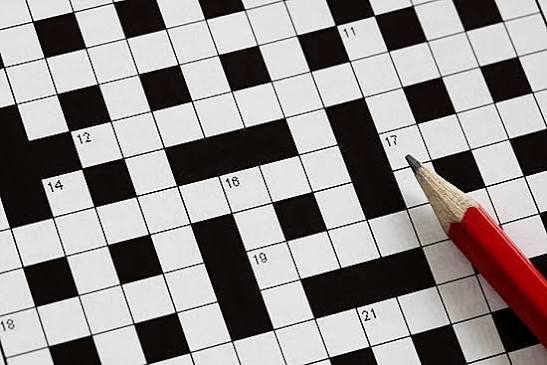
 You probably don’t think about crossword puzzles much. Maybe you should – the research points to their utility (along with the even-more-important exercise and interacting with people) as one of the ways to help people maintain thinking and brain health – even delaying onset of memory decline. We like to think we will avoid dementia and Alzheimer’s through whatever means are possible, especially in families with a history of cognitive impairment.
Consider the alternative. Far too many older adults are isolated – as many as 43% of women aged 75+ live alone. And 46% of adults aged 75+ report having a disability, the most common type being an issue with mobility, living independently and/or cognition. Despite these issues, life expectancy at 65 for women with five chronic diseases (!) is expected to be age 87. And who knew that only 15% of women aged 75+ have no chronic diseases!
Will robotic devices fill in the social isolation gaps? Many are hopeful, of course, that a tabletop robot or an animatronic pet will fill the gaps of missing social connection for older adults. Perhaps the process of getting regular exercise, getting outside, or doing something else besides watching TV, which itself can boost risk of dementia, would be useful, especially something that engages the muscles, including the brain.
Why crossword puzzles? Today’s large puzzles include far too many clues that are based on current cultural trends and popular TV shows in addition to historical events, literature, music, etc. Finding (or remembering) the answer is considerable mental work and research. And for large weekend puzzles like the Sunday NYTimes or Saturday Wall Street Journal can consume time and thought. According to researchers, that’s a good thing.