 Gloria Steinem and Ms. Magazine were groundbreakers in the 1970s. Gloria Steinem died this week at the age of 92 after (literally) a lifetime of activism on behalf of women. More than 50 years ago, Ms. Magazine launched with 300,000 subscribers and Wonder Woman on the cover. It also formalized a medium for discussion of the burgeoning women’s movement, women coalescing around shared issues in a public square, naming names, pushing for change, addressing topics like sexual harassment, equal rights and pay. The introduction of women’s consciousness raising groups on a college campus was revelatory for so many young women, shaking up their expectations about their own futures.
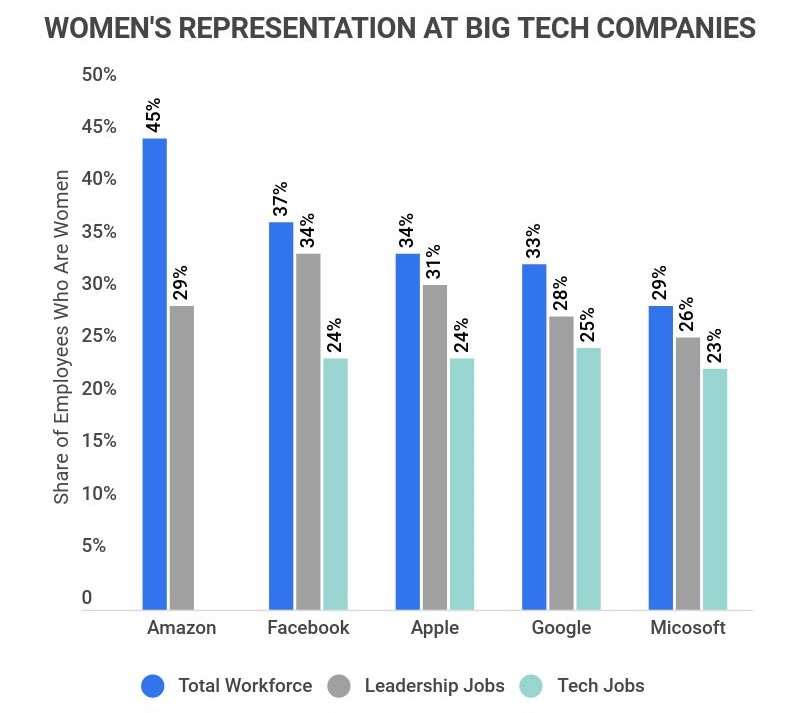
Despite barriers and resistance, women move ahead into top roles in tech companies. They have played numerous key roles in the history of technology and computing (not just the remarkable Grace Hopper). But women today make up fewer than half of any of US technology roles. Yet if asked whether anything prevents them from entering a tech field (other than lack of interest or lack of confidence) – there are few identified barriers to entry and women make up a sizable percentage of programmers and systems analysts. Consider the list of women leaders (and their job roles) in tech today. Consider Lisa Su, head of AMD and its recent turnaround, and listed as one of Fortune Magazine’s most powerful women.
Ironically, some rights women fought for did not succeed. The Equal Rights Amendment was not ratified in all 50 states and was not added to the constitution. Women are not required to have pay equal to men in the same job role. Despite Ms. Magazine’s publication/petition about women who had had an abortion, access is dwindling since the overturning of Roe v. Wade. As for corporate America, a 2025 report from McKinsey shows that women in the workplace are as motivated as men, but do not have the same promotional opportunities.
Did the 1970’s wake-up call from Ms. Magazine make a difference? If you were young during those long-ago days, Gloria Steinem’s publication and words had an impact. Maybe you stopped sketching bridal gowns and started taking training courses in programming. Maybe you identified other role models like Grace Hopper, maybe women were no longer being called Miss or Mrs when introduced, but actually referred to legitimately as Ms. Smith or Jones. Maybe you didn’t notice and it just happened over time. The positive changes for women that have taken place since the 1970s are all around us – and as with the Top 50 Women CEOs in the US, we may find them impressive, but no longer find them remarkable.