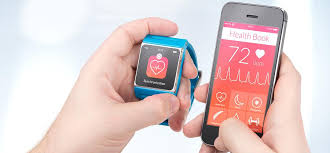
 Ask and you shall receive – approximately. How many health apps are available for the iPhone? Says Google – there are 60,000 health apps (eliminating the medical category) in the App Store. Grok says 76,451, ChatGPT says 82,000. And ChatGPT, as a good spy, went a step further, though not asked – claiming that there is no official count of apps for aging in place, caregiving, dementia, hearing, and medication management. And Apple does not count these as a separate category anyway.
Why ask this apparently stupid question? Because startup companies apparently don’t before deciding to create yet-another-app. Who can navigate 60,000 (or whatever) apps to find what may already exist? Nobody. But the process for distributing an iPhone app without the App Store is, to say the least, onerous. So startups no doubt navigate the seven steps, starting with joining the Apple Developer Program at a cost of $99 per year. Does Apple do a good job of assessing the quality of your proposed entrant within the 48-hour response window? Doubtful.
Is this the ‘My Grandmother Fell Down” syndrome? Long ago on a call with a very confident young developer, he described his fall detection software. He was solving a problem from his own experience, since his grandmother had fallen down and there was no one near her to hear her calls or help her. Inquiring whether he had researched the existing marketplace of fall detection tools, he said no, but that his product was going to be the best at solving this problem.
Tech developers deliberately do not want to see what already exists. This myopic example of skipping the market research step was endemic of that innovator market in 2014 (and of course, prior to the arrival of AI) and sadly, appears to have persisted today. How about a new approach? Who has made what you want to make? Why? And for whom? Does AI technology make it better? Make it unnecessary? Have you used AI to find out what apps do what you want to do?H