
The reality feels more like a high-tech band-aid on a profoundly human problem.
10/22/2026
New AI-powered apps and gadgets are built for older adults at home.
09/30/2026
Adults aged 50+, however, did not share this assertion.
09/22/2026
Policy recommendations for addressing weaknesses in AI and how government is deferring to companies.
09/10/2026
Why senior living's first attempt at using robots was a flop.
 Today or soon you will launch a boomer/senior, home health tech product or service, or maybe a caregiver advisory service. As your company gets ready to travel into battle or a booth with the sound of
 In 2020, focus sharpens on technology market categories of aging and caregiving. AARP
  The hearing loss statistics are daunting. The number is sizable –
  AARP recently published several new reports -- all worth a read. Rant on. The survey reports, about the
  What is the point of sneering at older people? Rant on. Consider an upcoming
  Elder Home Monitoring 2.0 – it may fill a growing need. Several companies noted were at CES or with announcements at or around that time offered up the possibility of a dashboard or collected insights about the wellbeing of an older adult at home. These may signal not only the next generation of in-home monitoring, but also the next generation of predictive analytics used to help older adults stay longer at home and/or out of the hospital. The timing is good as the oldest Baby Boomer turns 74 this month – and more
  CES 2020 – walking the land of the new. What has 170,000 attendees, long lines, baffling arrangements of booth numbers across multiple, gigantic locations and more robots than you can shake a motion sensor at? That was
  Voice First -- The year began and ended with speaking. And shouting. Strolling is not the right word, but as we approached the Las Vegas Convention Center last January, Google Assistant was on giant billboards all around – with competing and nearby giant Amazon Alexa signs. We are attending again this year – and I cannot imagine what is left to say, so to speak. But I am sure the blaring will begin at the door. Here are the most read blog posts from 2019. Happy New Year – and onward to 2020, the publication of the now-completed
 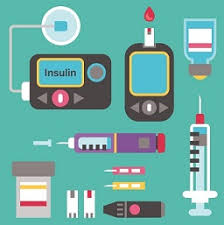 Diabetes is a critical health problem.
  The second year of the Summit tackled issues in town and far away. In the portfolio of the 2019 events produced by